Mature trees do far more than saplings
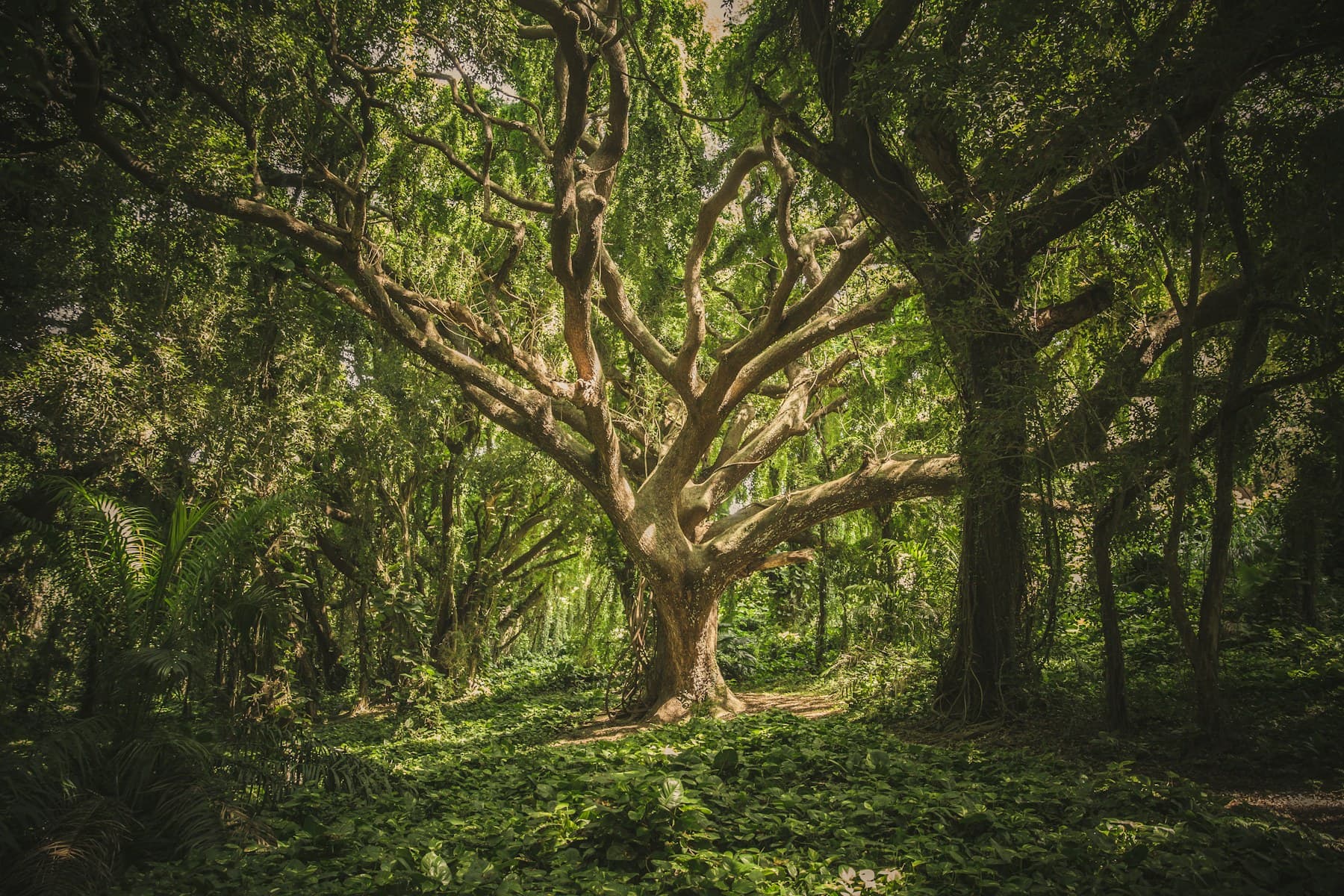
A large, mature tree has a vast leaf area, a wide canopy and an extensive root system built up over many years. It casts deep shade, intercepts more rainfall, binds more soil and has stored carbon in its trunk, branches and roots throughout its life. When it is cut, much of that value is lost at once, and new plantings take a long time to catch up — if they survive at all.
Old trees also offer things young trees cannot: hollows used by owls, parakeets, hornbills and bats; rough bark for insects and lichens; and large branches for orchids, ferns and other plants that grow on trees.
Protection first, planting second
Tree planting is valuable, but it should complement — never justify — the loss of existing trees and natural habitats. The most durable environmental gains usually come from keeping healthy trees standing and helping natural forests recover.
Common threats to trees
- Felling for construction, road widening or utility work without exploring alternatives.
- Concrete or paving laid right up to the trunk, which starves roots of water and air.
- Roots cut during trenching for pipes and cables.
- Nails, wires, hoardings and lights fixed to trunks.
- Burning waste or leaves at the base of trees.
- Heavy lopping that removes most of the canopy.
- Encroachment, overgrazing and the spread of invasive plants in natural forests.
How you can help
- Leave a generous ring of open, unpaved soil around tree trunks.
- During building work, fence off the area beneath the canopy to protect roots from digging, vehicles and stored materials.
- Avoid fixing anything to tree trunks, and remove nails and wires where it is safe and permitted.
- Never burn waste near trees.
- Before removing a tree, consider whether it can be kept by changing the design. In many places, felling certain trees requires permission from the local authority.
- If you are concerned that trees are being cut without permission, contact your local municipal body or forest department rather than intervening directly.
Learning from sacred groves
Across India, communities have protected patches of forest for generations as sacred groves — known by names such as devrai in Maharashtra, kavu in Kerala, sarna in Jharkhand and law kyntang in Meghalaya. Many of these groves shelter old trees, springs and species that have become rare elsewhere. They show how shared values and community stewardship can protect nature over long periods.
Forests and mangroves are ecosystems
A forest is not just a collection of trees. It includes shrubs, grasses, climbers, fungi, soil organisms, streams and wildlife, all interacting. Along coasts — including Gujarat's long coastline — mangrove forests help protect shorelines from erosion and storms, and provide nursery habitat for fish and other marine life. Protecting these ecosystems as a whole matters as much as protecting individual trees.
Key takeaways
- Mature trees provide benefits that saplings take decades to match.
- Protect existing trees and habitats first; plant to complement them.
- Keep tree roots unpaved, undamaged and free of burning waste.
- Raise concerns about unauthorised felling with the appropriate local authority.
This guide is general educational information published by Khushalbhai Satem Seva Foundation. It does not describe a specific foundation project, and it is not a substitute for site-specific advice from local experts or authorities. Spotted an error? Let us know.