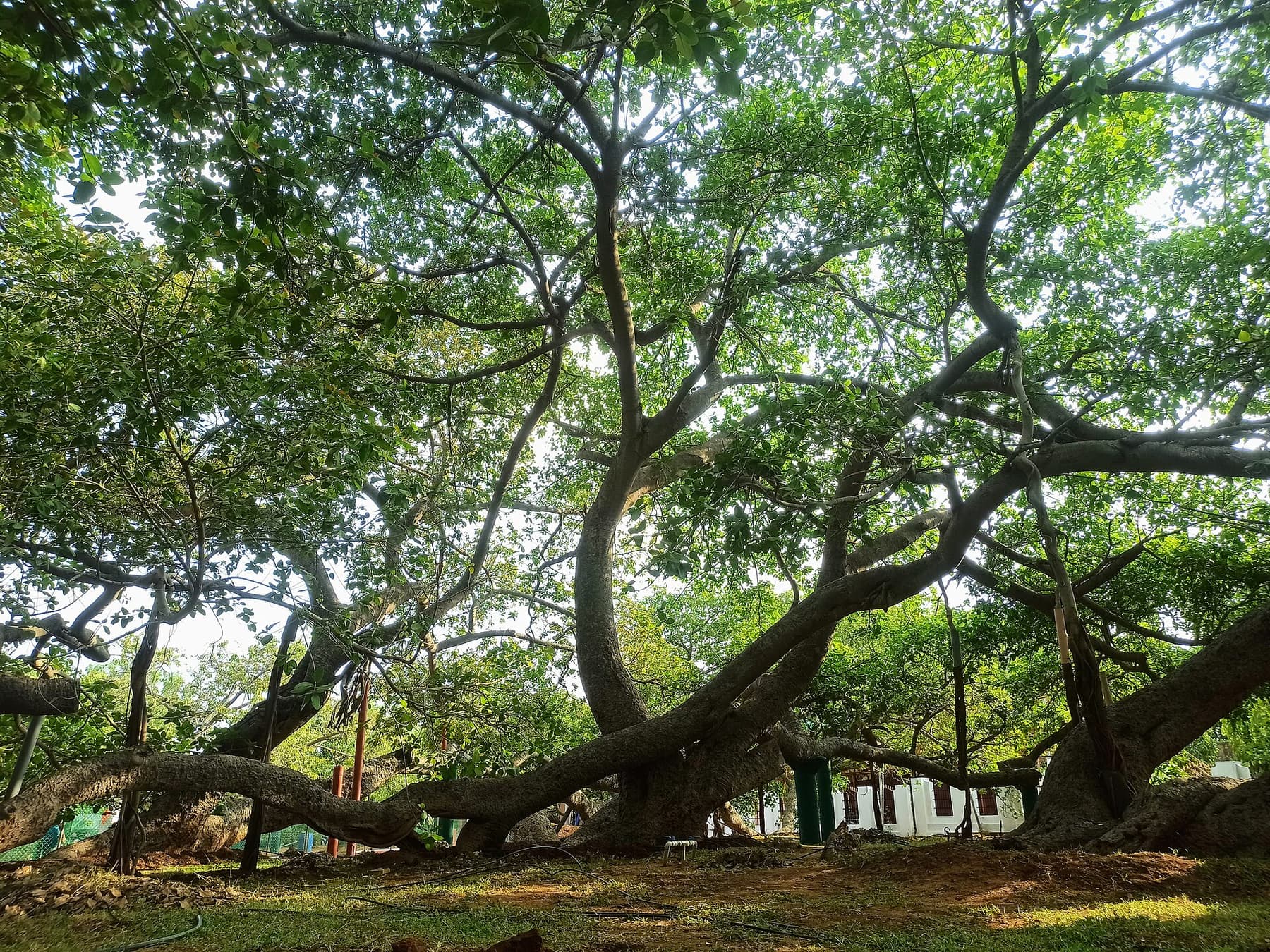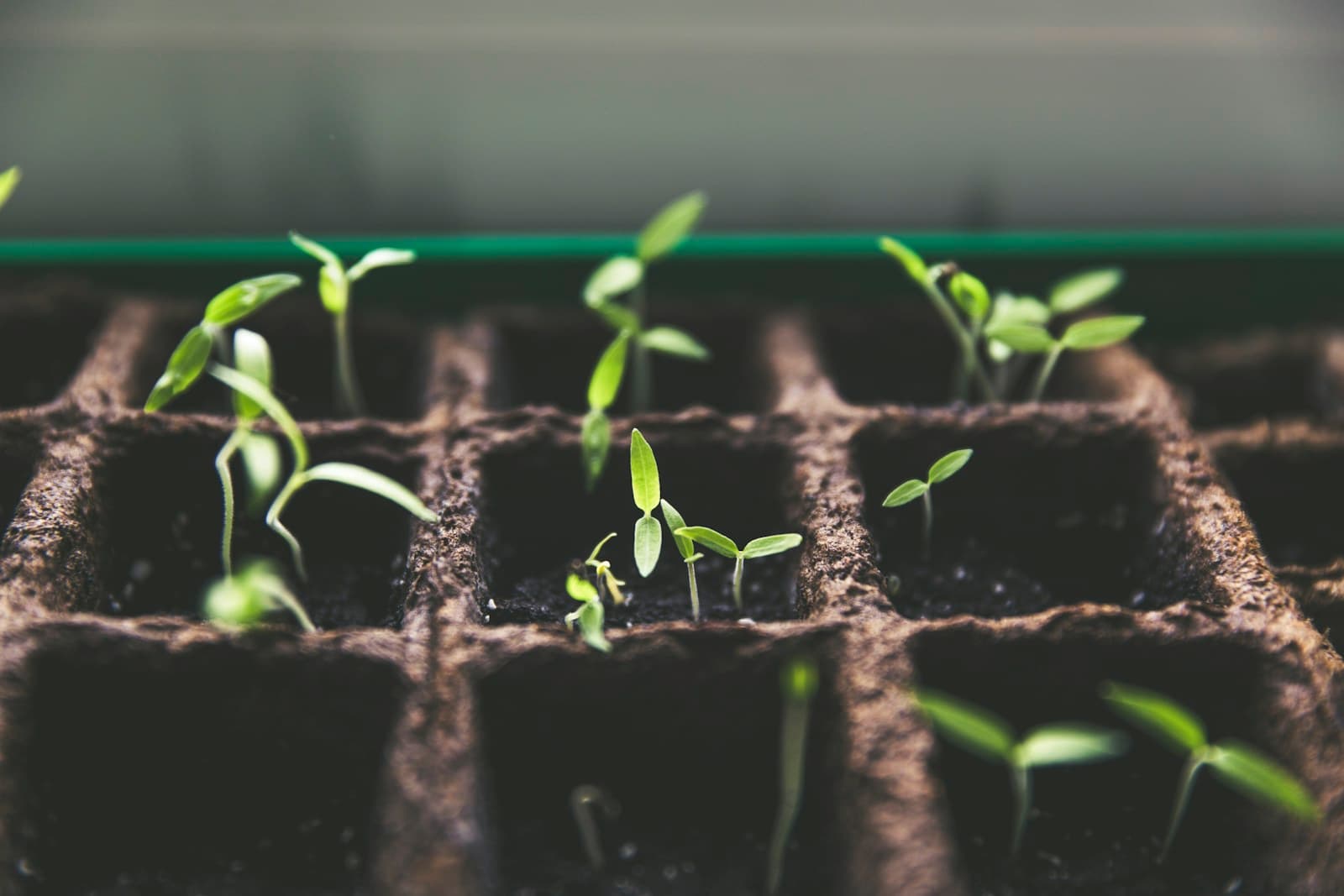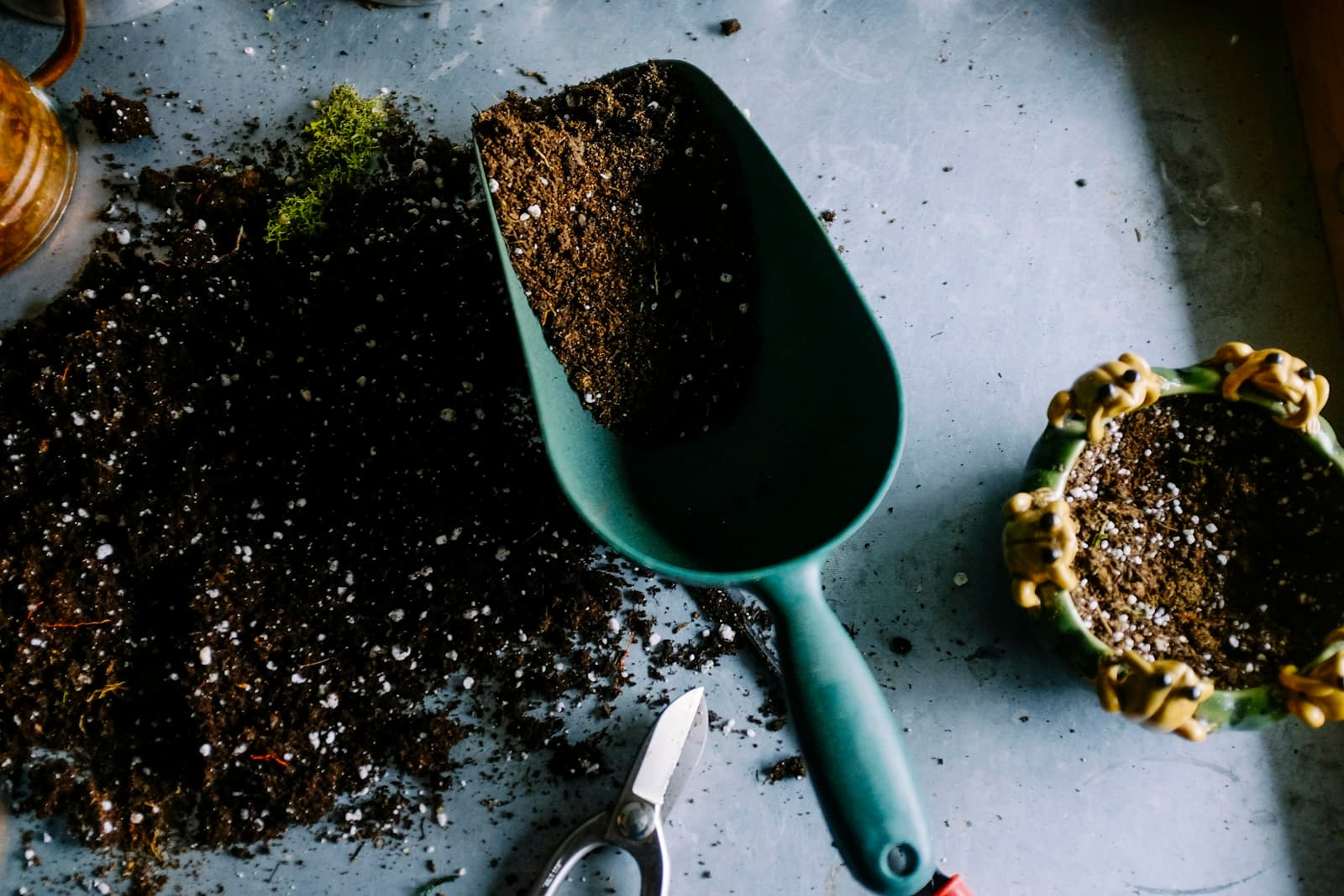
First ask: should a tree be planted here?
Not every open space needs trees. Natural grasslands, wetlands, riverbeds and scrublands are ecosystems in their own right, and many birds, insects and plants depend on them staying open. Converting them into plantations can harm the very biodiversity we want to protect.
Before planning a plantation, confirm who owns or manages the land and obtain the necessary permission. Look up, around and below: overhead electric lines, underground pipes and cables, building foundations, compound walls and the future width of roads all affect whether a tree can grow there safely for decades.
Choose the right species
Wherever possible, choose species that are native to your region and suited to its rainfall, soil and temperature. Native trees are usually better adapted to local conditions and support local wildlife. A mix of species is more resilient than a single-species block, which can be vulnerable to a single pest or disease.
- Match the tree's mature size — height, canopy spread and root system — to the space available.
- Consider what the site needs: shade, fruit for birds, soil binding on a slope, or a windbreak.
- Source healthy saplings from a reputable nursery. Government forest department nurseries in many areas supply native species.
- Avoid species known to be invasive in your region, even if they grow quickly.
Plant at the right time
In much of India, including Gujarat, planting is usually timed with the arrival of the monsoon, so that young roots can establish while the soil stays moist. Saplings planted in the peak of summer need dependable watering, and saplings planted at the very end of the rains face the dry season with shallow roots.
Prepare the site
- Clear weeds and debris from a circle around each planting spot.
- Dig a pit that comfortably fits the root ball — wider rather than much deeper — and loosen the soil at the sides.
- If the soil is very poor, mix in a moderate amount of well-decomposed compost or farmyard manure. Avoid fresh manure and heavy doses of chemical fertiliser.
- Check drainage. Water that stands in the pit for a long time can rot roots; choose another spot or species if the site stays waterlogged.
Planting, step by step
- Water the sapling in its nursery bag a few hours before planting so the root ball holds together.
- Carefully slit and remove the polythene bag without breaking the soil around the roots. Take the bag away — never bury it.
- Place the sapling upright so that the root collar (where the stem meets the roots) sits level with the surrounding ground, not buried deeper.
- Backfill with the excavated soil, firming it gently with your hands to remove air pockets without compacting it hard.
- Shape a shallow basin around the base so water collects near the roots.
- Water slowly and thoroughly immediately after planting.
- Spread a ring of mulch, such as dry leaves or straw, keeping it a few centimetres away from the stem.
- Where goats, cattle or foot traffic are a risk, install a tree guard. Use a stake only if the sapling cannot stand on its own, and tie it loosely.
Plan aftercare before you plant
Many plantations fail not on planting day but in the months that follow, when nobody is assigned to water saplings, repair guards or clear weeds. Before planting, agree who will care for each tree, how often, and for how long — ideally through at least the first two to three dry seasons.
Record what you plant
Simple, honest records make it possible to learn and to report results truthfully. For every plantation, note the date, exact location, species and number of saplings, the nursery they came from and who is responsible for aftercare. Revisit the site at regular intervals — for example after the first monsoon and after the first summer — and record how many saplings are alive and healthy.
Key takeaways
- Protect natural grasslands and wetlands — not every open space should be planted.
- Choose native, site-appropriate species and plant a mix rather than one species.
- Time planting with the monsoon and keep the root collar at ground level.
- Decide who will provide aftercare before planting begins.
- Keep simple records and check survival honestly.
This guide is general educational information published by Khushalbhai Satem Seva Foundation. It does not describe a specific foundation project, and it is not a substitute for site-specific advice from local experts or authorities. Spotted an error? Let us know.