CIN: U80301GJ2013NPL073623

Khushalbhai SatemSeva Foundation

Save trees

Save Trees & Forest Conservation

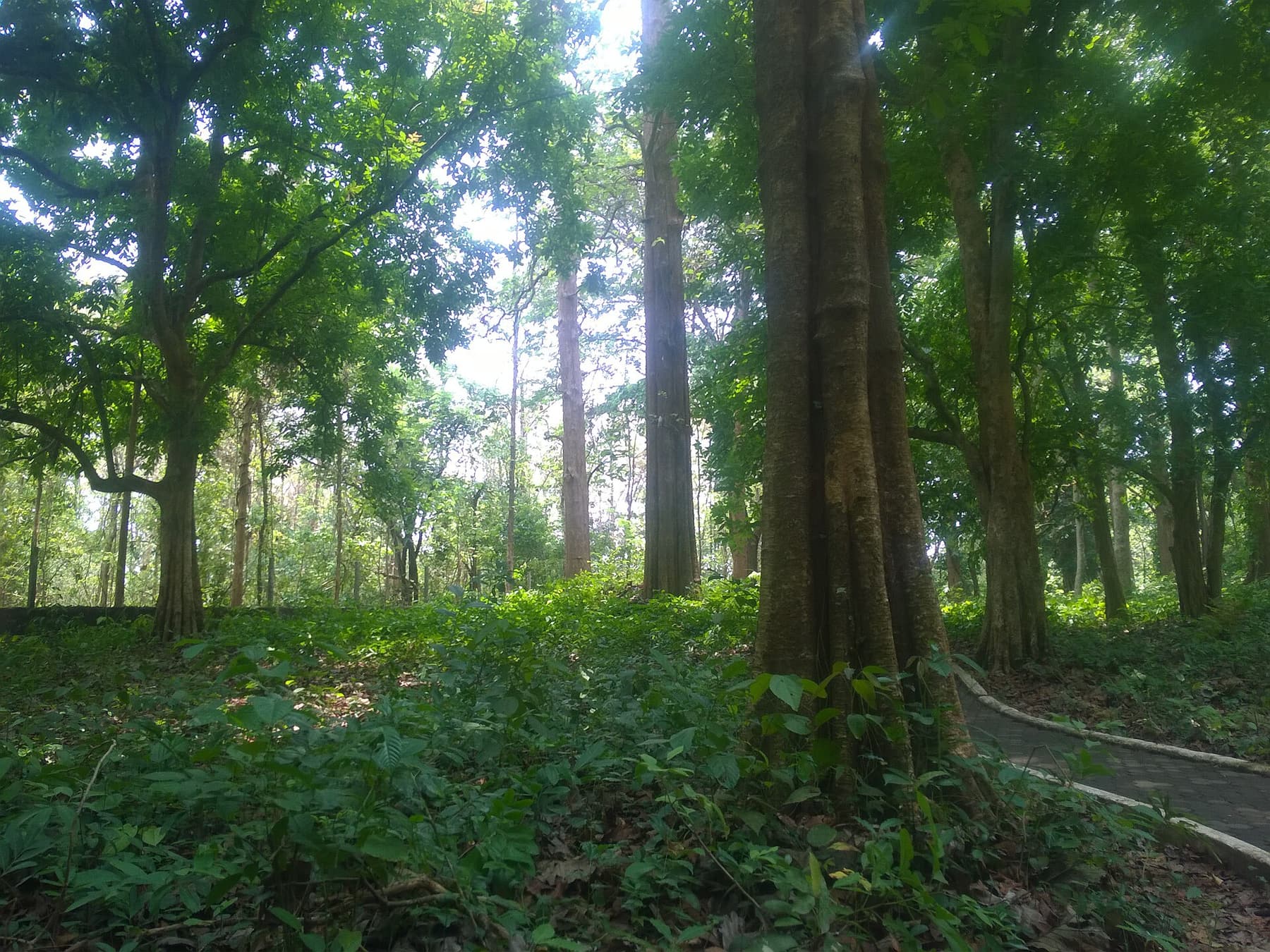
The most effective tree is often the one already standing. Protecting existing trees and forests delivers benefits immediately — benefits that new plantings take decades to match.

Photo: Anandu shaji, CC BY-SA 4.0, via Wikimedia Commons (resized and cropped)

Protection first

Why Existing Trees Matter

Planting is valuable, but it should never be used to justify the loss of healthy trees and natural habitats. A newly planted sapling can take decades to provide what a mature tree provides today — if it survives at all.

Deep shade and cooling

Broad canopies shade streets, homes and playgrounds in ways young trees cannot for many years.

Irreplaceable habitat

Hollows, rough bark and large branches shelter owls, parakeets, bats, insects, orchids and ferns.

Stored carbon

A mature tree holds carbon accumulated in its trunk, branches and roots over its whole life.

Soil and water

Extensive roots bind soil and help rainwater soak in, reducing erosion and run-off.
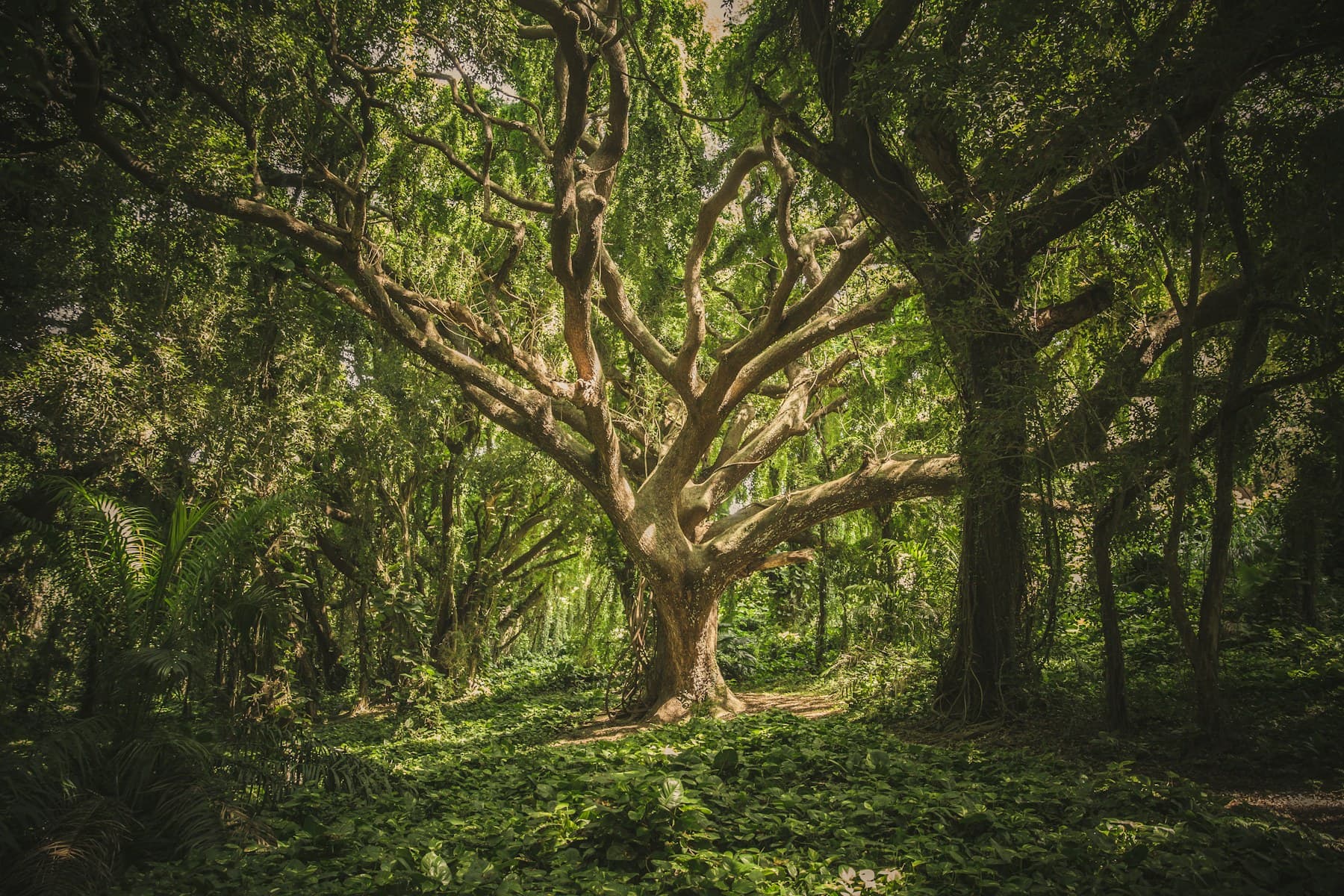
Ancient trees with broad, twisting branches in a green, sunlit woodland

Common threats

Threats to Trees and Forests

Many threats are avoidable with awareness and simple planning.
  • Felling for construction or road widening without exploring alternatives
  • Concrete and paving laid right up to the trunk
  • Roots severed during trenching for pipes and cables
  • Nails, wires, hoardings and lights fixed to trunks
  • Burning waste or leaves at the base of trees
  • Heavy lopping that removes most of the canopy
  • Fire, encroachment and overgrazing in natural forests
  • Invasive plants crowding out native vegetation

How you can help

How You Can Help

At home

  • Leave a generous ring of open soil around tree trunks
  • Water young street trees near your home during summer
  • Never burn waste or leaves near trees

During construction

  • Design around healthy trees wherever possible
  • Fence off the area beneath the canopy to protect roots
  • Avoid stockpiling materials or parking vehicles over roots

In the community

  • Remove nails and wires from trees where safe and permitted
  • Care for groves, ponds and open natural spaces, not just trees
  • Raise concerns with the appropriate local authority
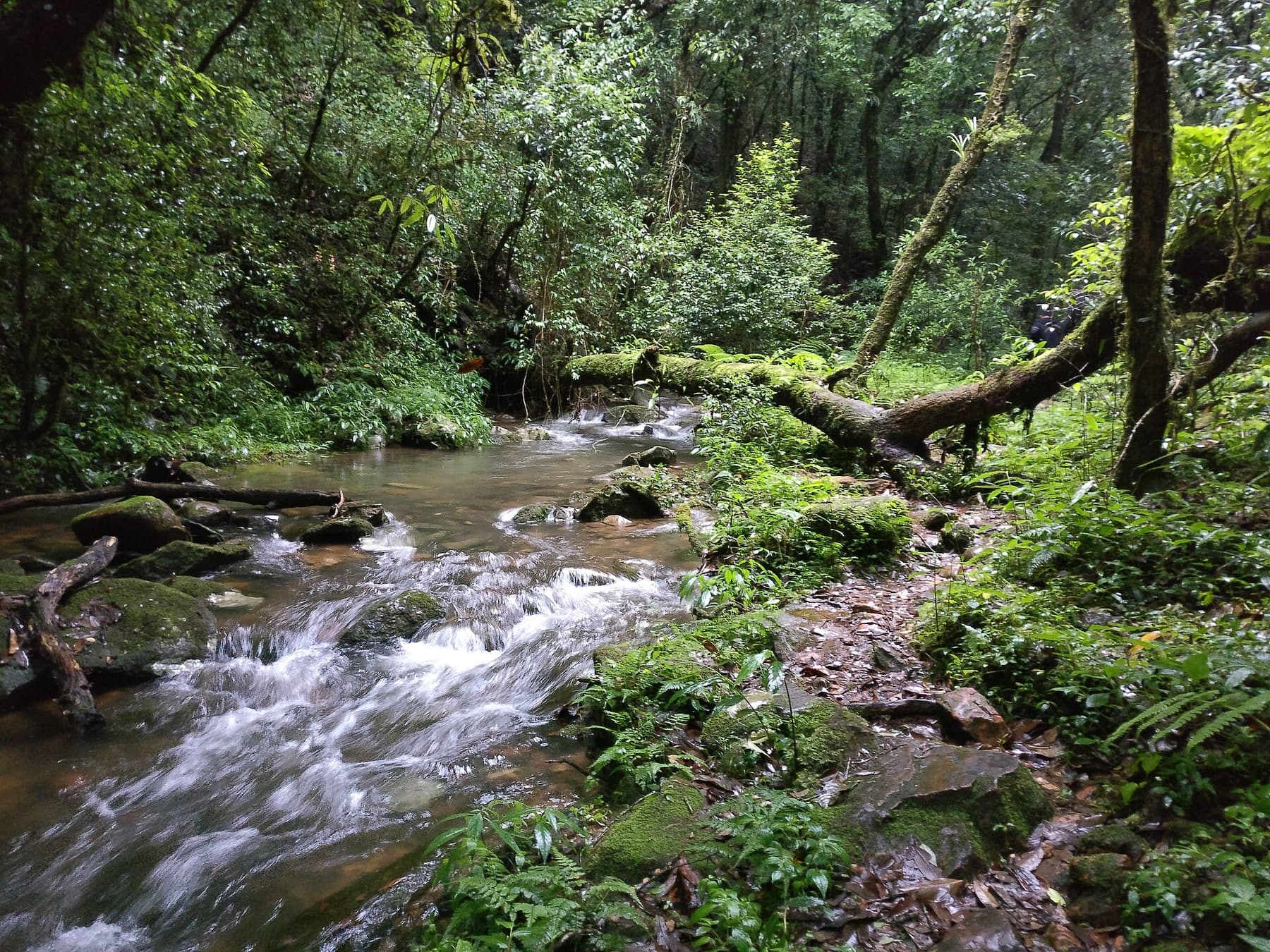
A clear stream running over rocks through the community-protected sacred forest at Mawphlang, Meghalaya
Photo: Ritika74, CC BY-SA 4.0, via Wikimedia Commons (resized and cropped)

Community conservation

Sacred Groves of India

For generations, communities across India have protected patches of forest as sacred groves — known as devrai in Maharashtra, kavu in Kerala, sarna in Jharkhand and law kyntang in Meghalaya, among many other names.

Many groves shelter old trees, springs and species that have become rare elsewhere. They show how shared cultural values and community stewardship can conserve nature across centuries — an example that modern conservation can learn from.

Beyond single trees

Forests, Mangroves and Open Habitats

Forests

A forest includes shrubs, grasses, climbers, fungi, soil life, streams and wildlife, all interacting. Protecting it means protecting the whole system, not only its largest trees.

Mangroves

Along coasts, including Gujarat's long coastline, mangroves help protect shorelines from erosion and storms and provide nursery habitat for fish and other marine life.

Grasslands & wetlands

Not every landscape should be wooded. Natural grasslands and wetlands support their own specialised wildlife and should be conserved as they are, not planted over.
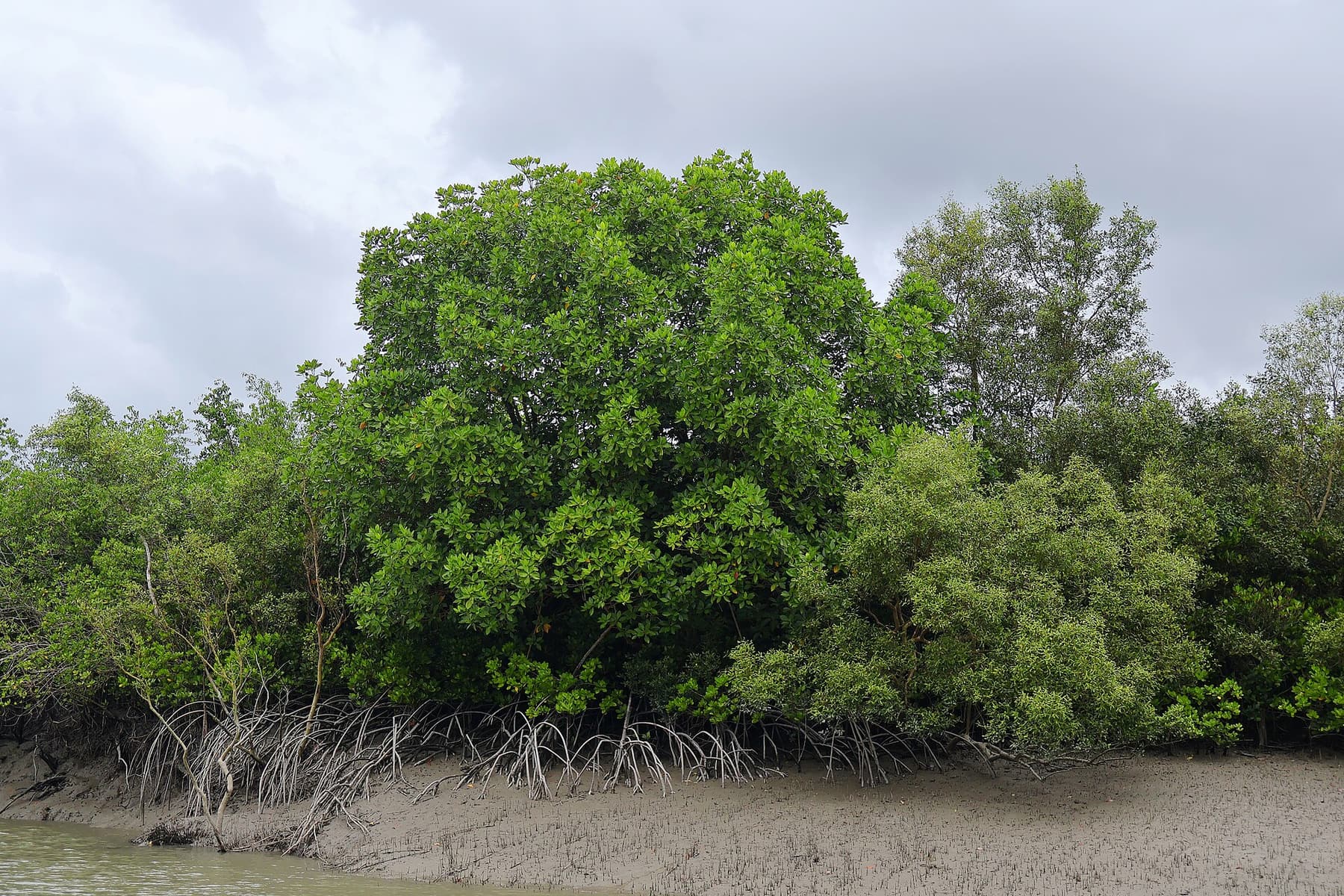
Dense green mangrove trees growing along a muddy tidal shore in the Sundarbans, West Bengal
Photo: Kingshuk Mondal, CC BY 4.0, via Wikimedia Commons (resized and cropped)

Proposed initiatives

Conservation Initiatives

Read the full guide

Community Tree Care

Proposed

Neighbourhood care for trees that already exist — especially young street trees that struggle through their first dry seasons.

Planned activities

  • Summer watering support for vulnerable young trees
  • Mulching, weeding and repair of damaged tree guards
  • Removing nails, wires and hoardings attached to trees, where permitted

What we will report

  • Trees cared for and type of care provided
  • Volunteer hours and repeat participation
Related informationabout Community Tree Care

Protect Our Forests

Proposed

Awareness about the value of existing trees, forests, community groves and mangroves, and about responsible ways to raise concerns with the appropriate authorities.

Planned activities

  • Public awareness on why mature trees and natural habitats matter
  • Guidance on protecting tree roots during construction and repairs
  • Information on contacting local authorities about tree-related concerns

What we will report

  • Awareness sessions and materials shared, with dates and locations
  • Community questions and concerns documented and followed up
Related informationabout Protect Our Forests

Care for the trees around you

Become a tree guardian in your neighbourhood: notice, care for and speak up for the trees that already make your community a better place.