Right place
Plant where trees belong and have room to grow — with permission, away from wires and foundations, and never at the cost of natural grasslands or wetlands.
Official website of Khushalbhai Satem Seva Foundation · CIN: U80301GJ2013NPL073623
info@
Tree plantation
A tree planted is only a success if it grows. The foundation promotes plantation that is planned, ecologically sound and backed by years of care — measured by how many trees survive, not how many are planted.
Our plantation principles
Plant where trees belong and have room to grow — with permission, away from wires and foundations, and never at the cost of natural grasslands or wetlands.
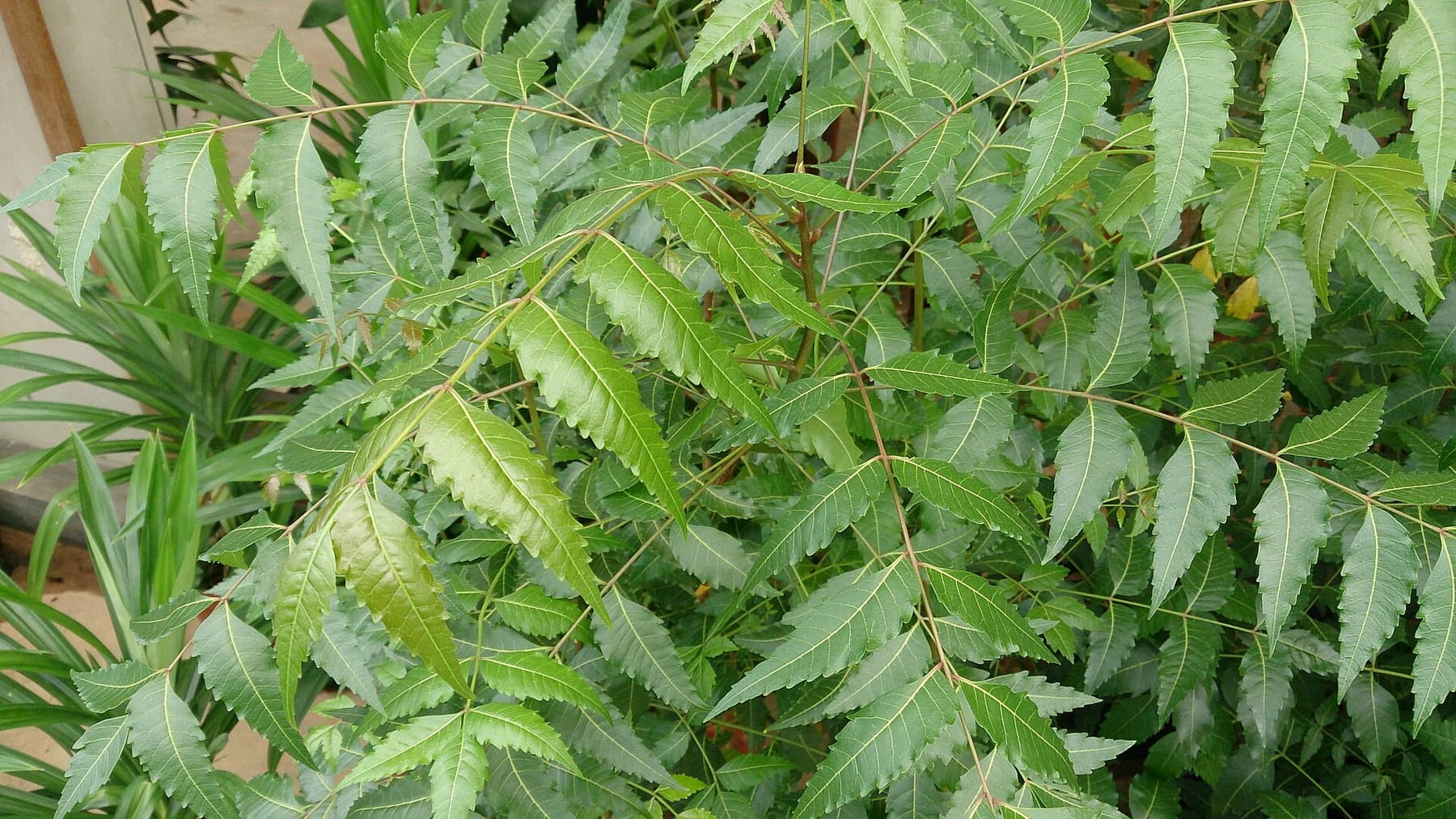
Choose a mix of native species suited to local soil, rainfall and space. Avoid species known to be invasive.
In monsoon climates, plant as the rains establish so roots can grow while the soil stays moist.
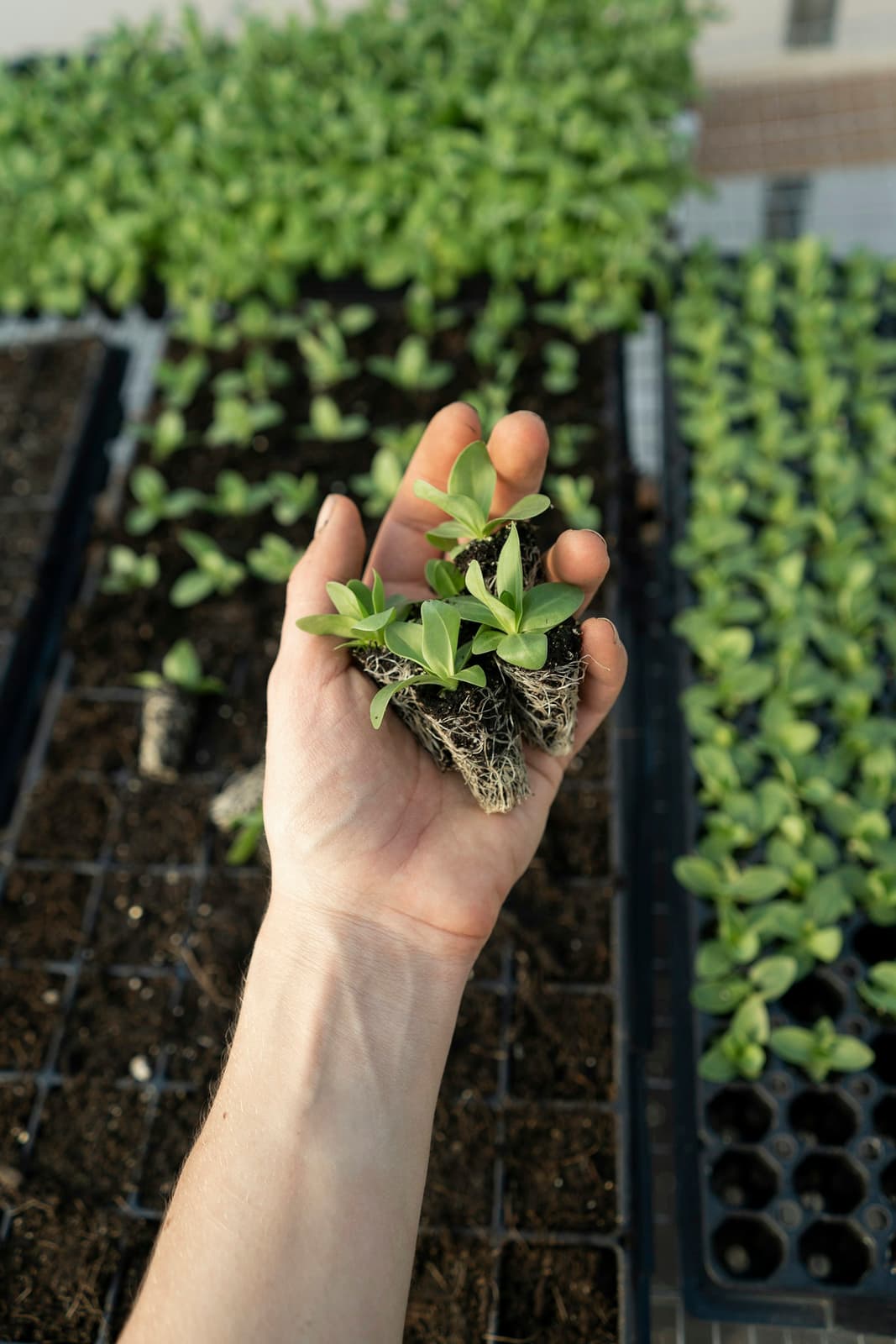
Remove the nursery bag, keep the root collar at ground level, firm the soil gently, water well and mulch.
Agree on named caretakers for watering, weeding and guard repairs through at least the first dry seasons.
The plantation lifecycle
Confirm land ownership and permission, check existing vegetation and decide whether planting is appropriate at all.
Select suitable native species with local guidance, considering mature size, water needs and value to wildlife.
Clear weeds, dig pits suited to the root ball, improve poor soil moderately and check drainage.
Brief participants on safety and technique, plant carefully, water immediately and install guards where needed.
Water through dry spells, mulch, weed, repair guards and replace failed saplings with suitable species.
Count surviving saplings at regular intervals and publish honest results — including losses and lessons.
Native species
Transparent records
No plantation results have been published yet. When the foundation's plantations take place, each record on the Activities & Impact page will include the following.
Date
The day the activity took place
Location
Where it happened, with permission noted
Photographs
Real, consented photos of the activity
Trees planted
Number and species, from the plantation register
Survival checks
Saplings alive at each follow-up visit
Volunteers
Participants recorded on attendance sheets
Proposed initiatives
Community plantation drives built around suitable native species, prepared sites and a clear aftercare plan agreed before the first sapling goes into the ground.
Inviting individuals, families and institutions to take long-term responsibility for the care of a specific young or existing tree in their neighbourhood.
Practical guides
Guide · 3 min read
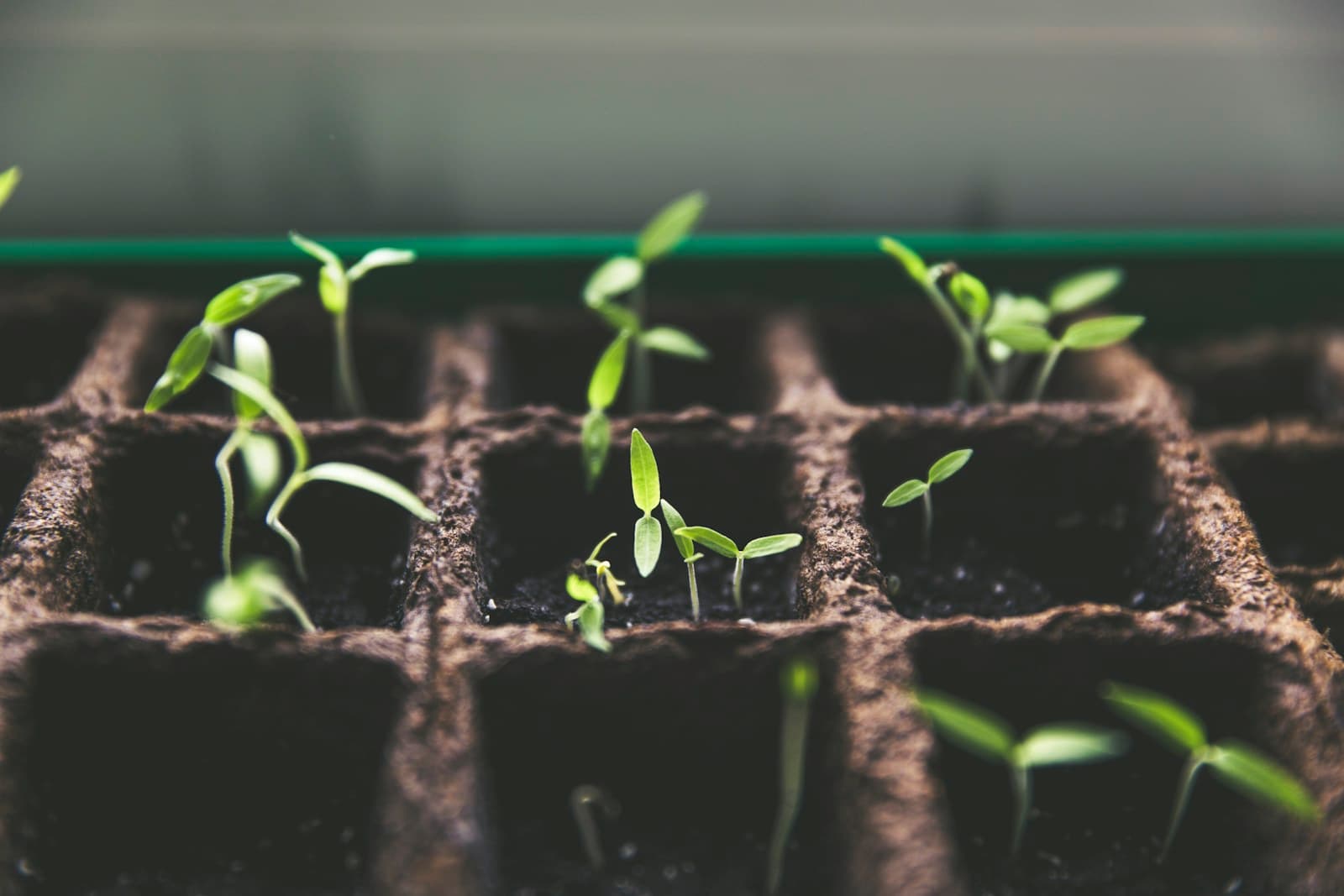
Planting a tree is the beginning of a long-term commitment, not a one-day event. Responsible planting means putting the right species in the right place at the right time — and making sure someone will care for it afterwards.
Guide · 3 min read
The first two to three years decide whether a sapling becomes a tree. Consistent, simple care during this period matters far more than the number of saplings planted.
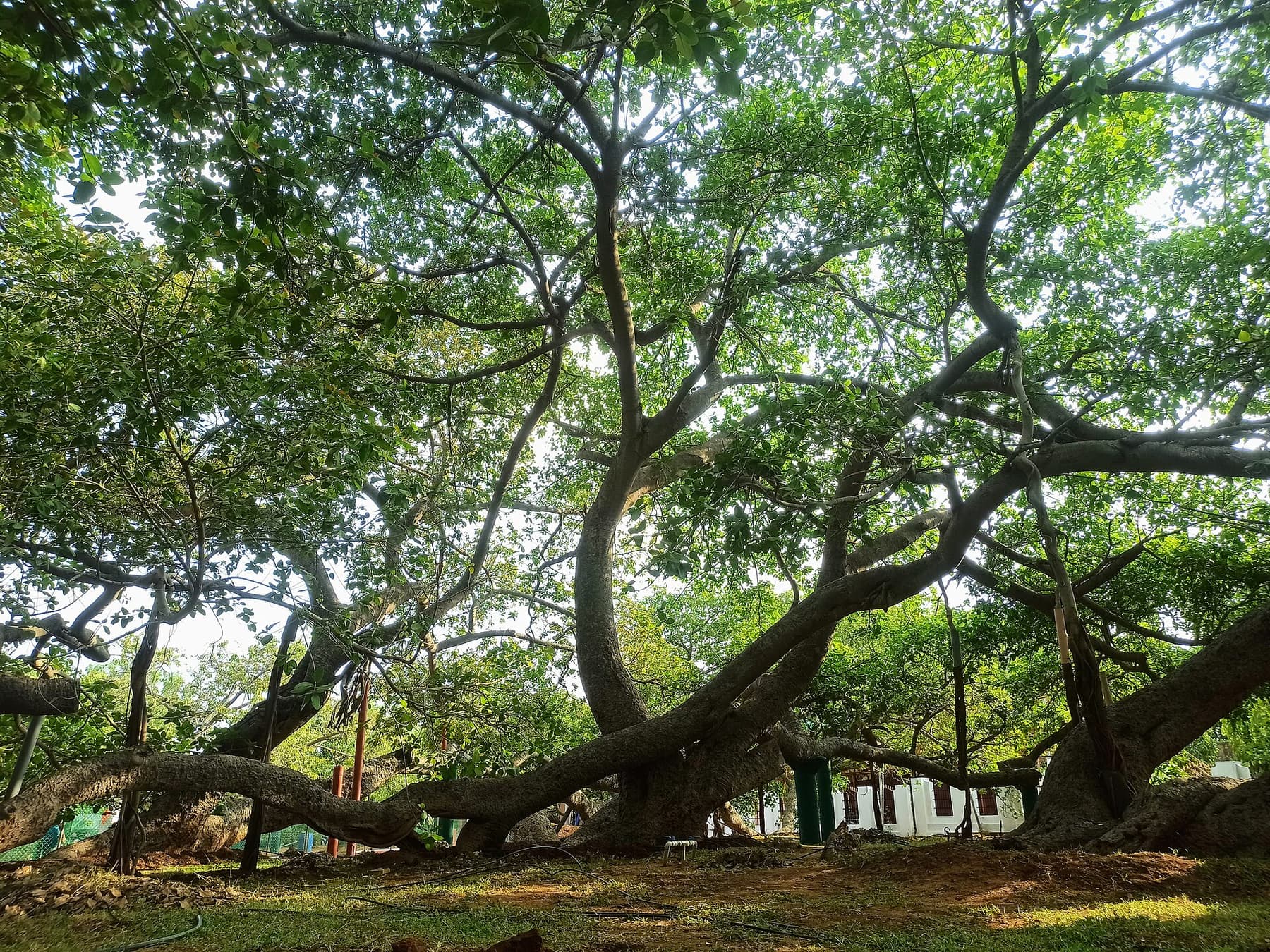
Photo: Kavali Chandrakanth KCK · CC BY-SA 4.0
Guide · 3 min read
Native trees are species that occur naturally in a region and have developed alongside its climate, soils and wildlife. Choosing them is one of the simplest ways to make a plantation more useful for nature and more likely to survive.
Register your interest in planting days and — just as importantly — in caring for young trees through their first dry seasons.