Storing carbon
Growing trees absorb carbon dioxide and store carbon in wood, roots and soil. Healthy forests are among the world's important carbon stores.
Official website of Khushalbhai Satem Seva Foundation · CIN: U80301GJ2013NPL073623
info@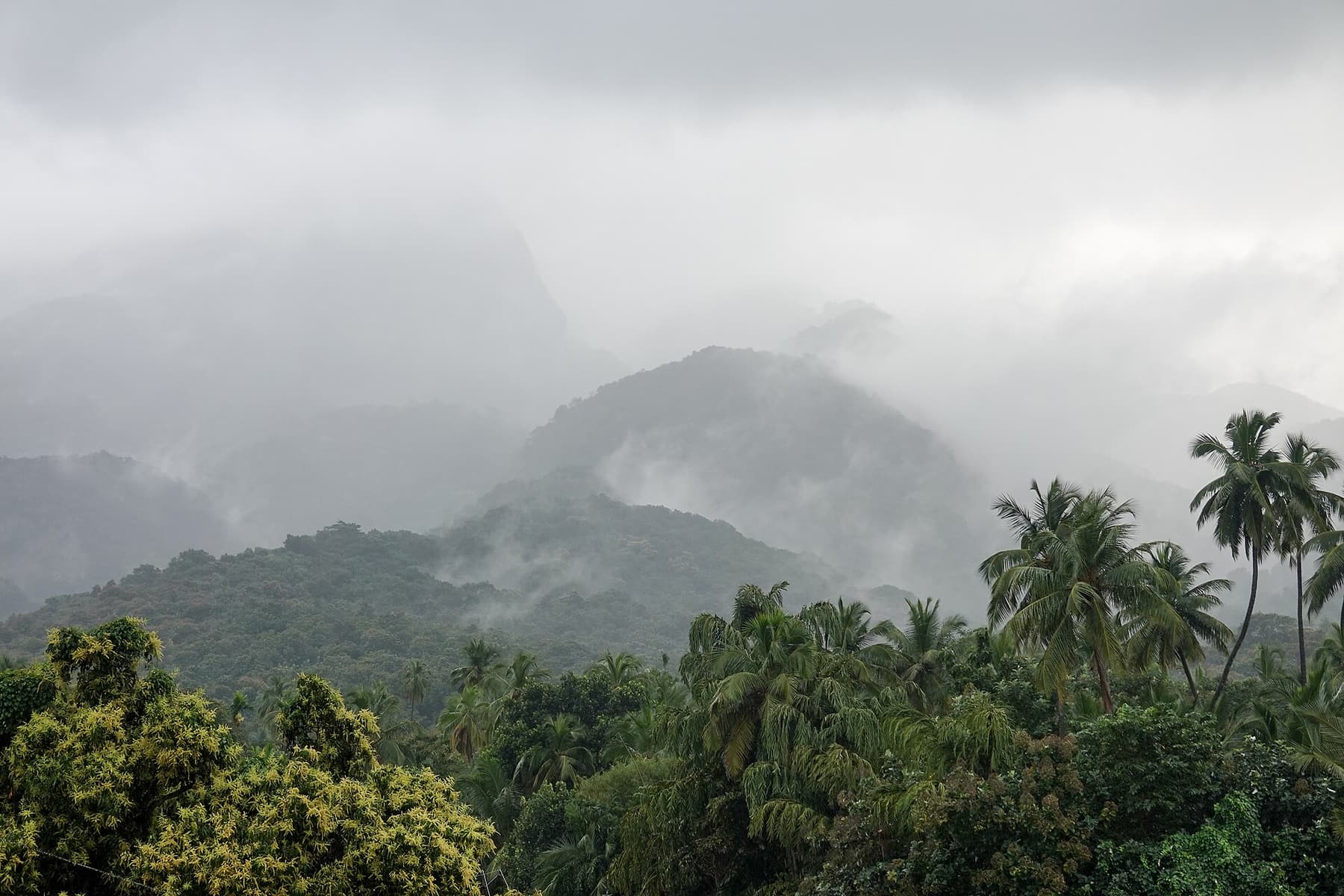
Climate awareness
Climate change can feel distant and overwhelming. The foundation aims to explain it clearly — including what trees can and cannot do — and to encourage practical action close to home.
Photo: Timothy A. Gonsalves, CC BY-SA 4.0, via Wikimedia Commons (resized and cropped)
The basics
Burning coal, oil and gas, clearing forests and some agricultural and industrial activities release greenhouse gases such as carbon dioxide and methane. These gases trap heat in the atmosphere, causing the planet to warm and the climate system to change.
The Intergovernmental Panel on Climate Change (IPCC), in its Sixth Assessment Report, concluded that it is unequivocal that human influence has warmed the atmosphere, ocean and land.
For communities in India, a changing climate can mean more intense heatwaves, shifts in monsoon patterns, heavier rainfall events in some places and drier spells in others — with effects on water, farming, health and livelihoods.
Where trees fit
Growing trees absorb carbon dioxide and store carbon in wood, roots and soil. Healthy forests are among the world's important carbon stores.
Shade and the evaporation of water from leaves lower surface and air temperatures, helping streets and buildings stay cooler during heatwaves.
Vegetation and healthy soils slow run-off, help rain soak into the ground and reduce erosion during intense downpours.
Diverse native vegetation helps landscapes and wildlife cope better with heat, drought and extreme weather.
An honest picture
Planting trees is valuable, but it cannot offset continued high emissions from fossil fuels. Reducing emissions at their source remains essential.
When trees are felled, burned or die, much of their stored carbon can return to the atmosphere. Keeping existing forests standing matters.
Planting trees in natural grasslands or wetlands can harm biodiversity and water systems. The right ecosystem in the right place is the goal.
Climate benefits come from trees that grow for decades — not from saplings that die in their first summer.
Practical action
Our role
The foundation intends to include climate awareness in its proposed education sessions and community activities — connecting global science with local experiences of heat, water and changing seasons, and focusing on actions people can sustain.
We will not make claims about carbon offsets, emission reductions or climate impact unless they are measured using a recognised methodology and can be verified.
Help care for shade trees, share accurate climate information and take part in community activities organised by the foundation.