At home
- Fix leaking taps and pipes promptly, and reuse water from washing vegetables to water plants.
- Switch off lights, fans and appliances when not in use, and choose energy-efficient models when replacing them.
- Segregate waste at source into wet (biodegradable), dry and hazardous categories, as required under India's solid waste management rules.
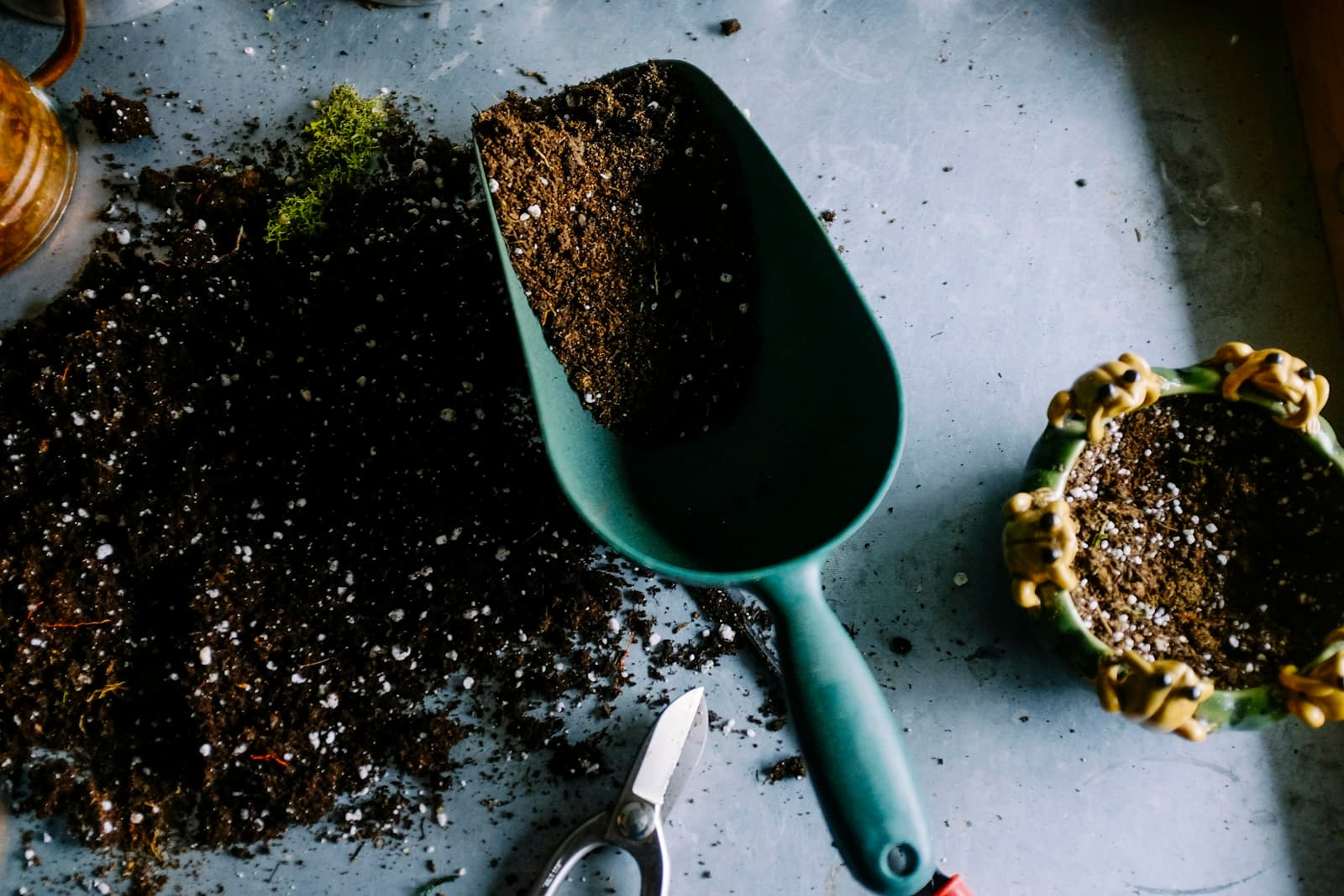
- Compost kitchen and garden waste to return nutrients to the soil.
Reduce single-use plastic
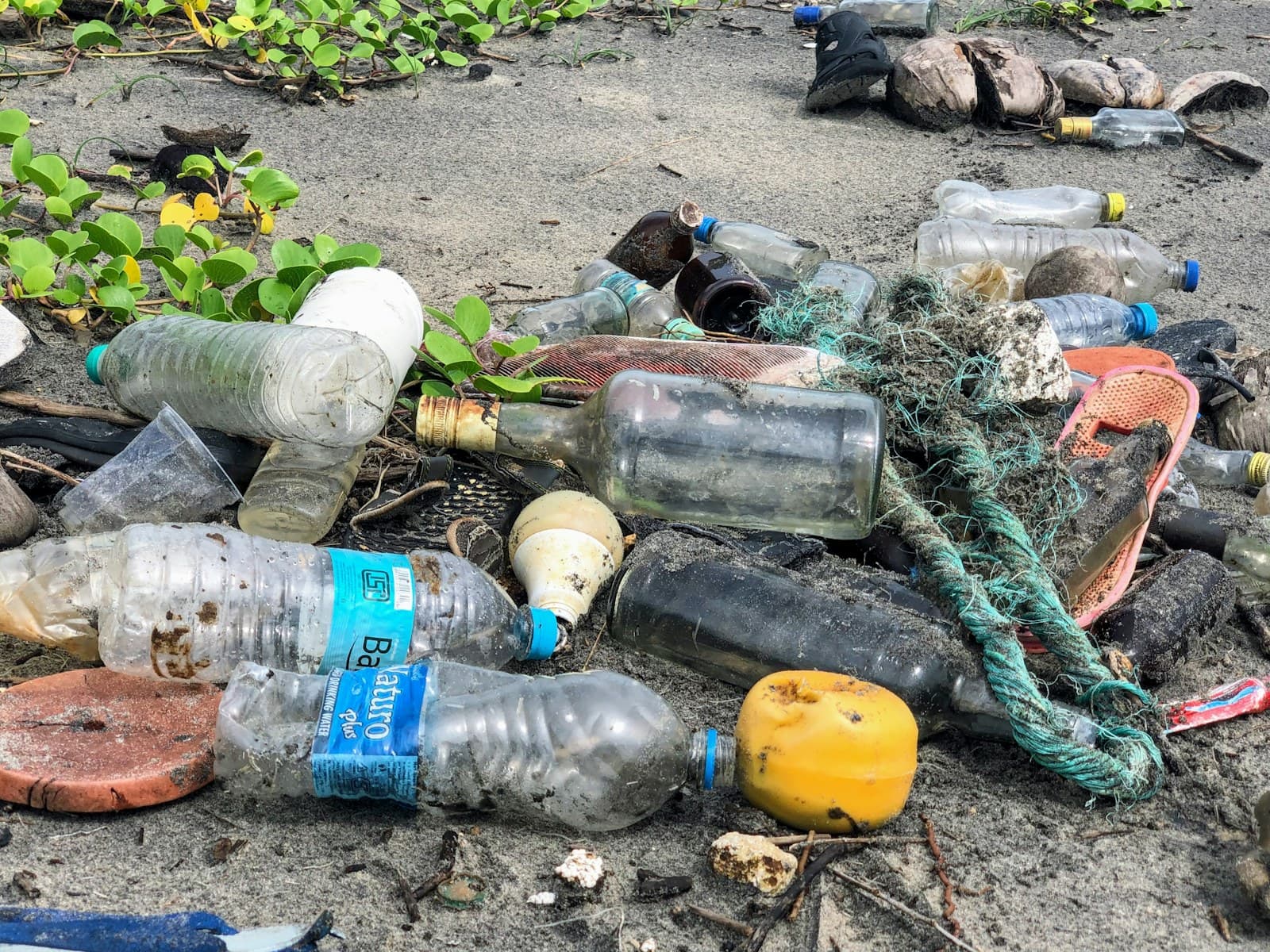
India prohibited a list of identified single-use plastic items from July 2022. Beyond what the rules require, carrying a cloth bag, a reusable water bottle and a lunch box removes a large share of everyday plastic waste. Plastic that is discarded carelessly can block drains, harm animals and break down into microplastics that persist in soil and water.
Travel and consumption
- Walk or cycle for short trips; use public transport or share rides where possible.
- Repair, reuse and pass on items before buying new ones.
- Choose durable products and avoid unnecessary packaging.
- Buy seasonal, local produce when you can.
In the community
- Never burn waste or dry leaves in the open; it pollutes the air and can damage nearby trees.
- Take part in clean-up, tree-care and awareness activities organised responsibly in your area.
- Look after shared green spaces: water a struggling street tree in summer, and keep its base clear.
- Respect local rules for protected areas, wildlife and trees.
At school and at work
Schools, colleges and workplaces can form small green teams to track water and electricity use, improve waste segregation, care for campus trees and share what works. Measuring a few simple things before and after a change makes it easier to see what has genuinely improved.
Be honest about impact
Real environmental progress is measured by outcomes — trees that survive, waste that is actually recycled, water that is actually saved — not by announcements. Whether you are an individual, an institution or an organisation, report what you have done accurately, including what did not work. Honest reporting builds trust and helps everyone learn.
Key takeaways
- Save water and energy through simple daily habits.
- Segregate waste at source and compost organic waste.
- Carry reusables to cut single-use plastic.
- Never burn waste in the open.
- Measure and report environmental actions honestly.
This guide is general educational information published by Khushalbhai Satem Seva Foundation. It does not describe a specific foundation project, and it is not a substitute for site-specific advice from local experts or authorities. Spotted an error? Let us know.