Three levels of biodiversity
- Genetic diversity — the variation within a species, such as the many traditional varieties of mango or rice. It helps species adapt to disease and changing conditions.
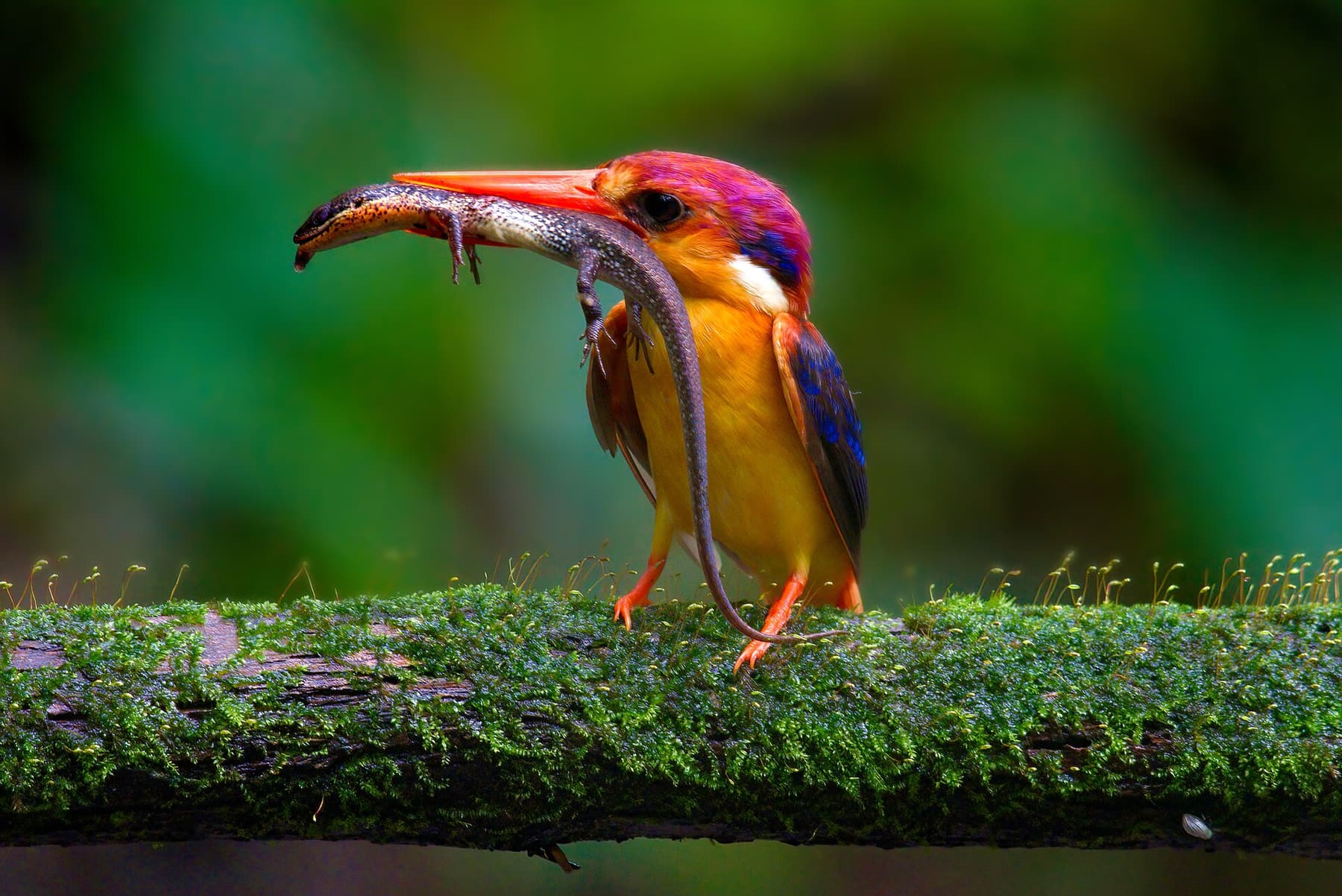
- Species diversity — the variety of different plants, animals, fungi and micro-organisms in a place.
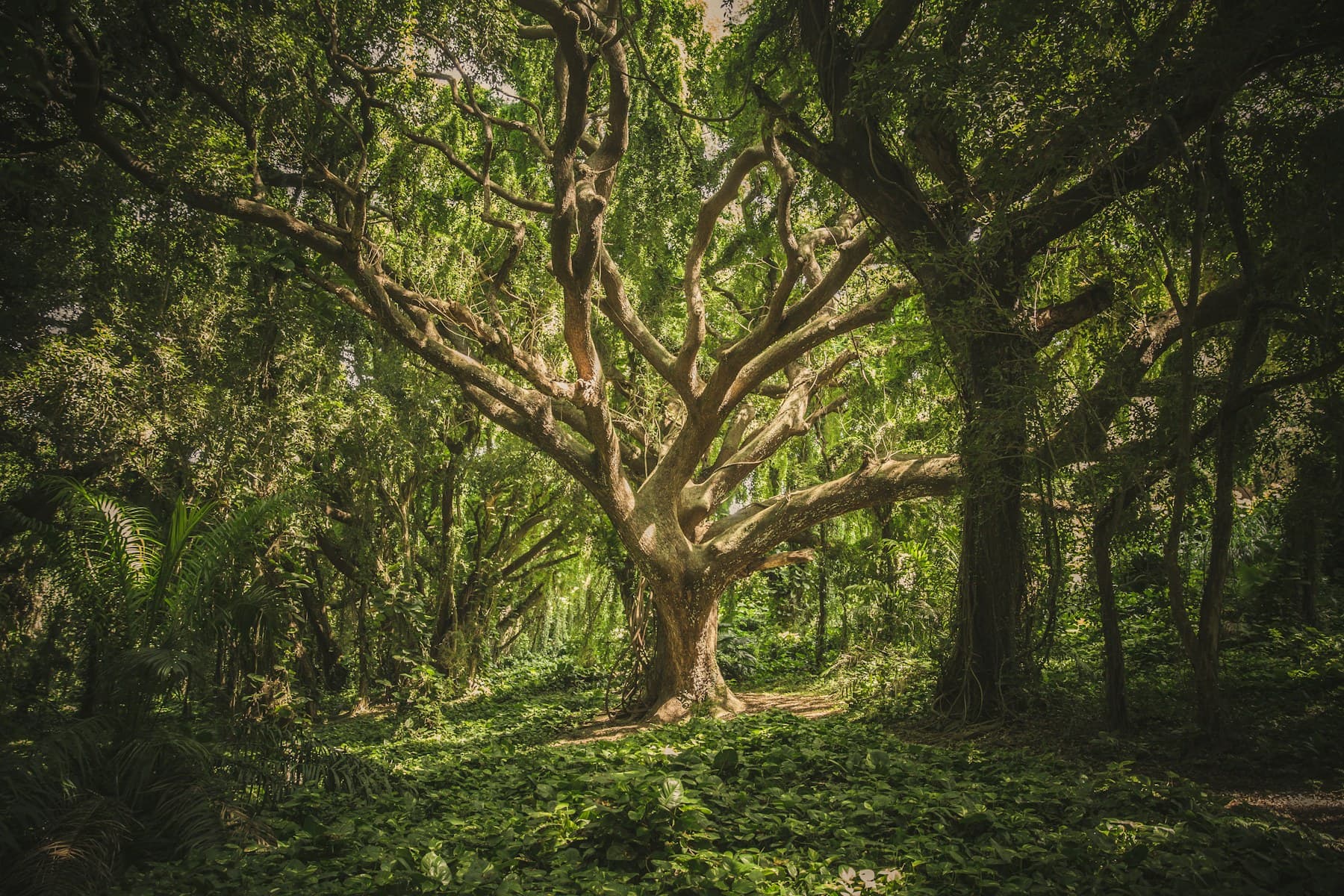
- Ecosystem diversity — the variety of habitats, such as forests, grasslands, wetlands, mangroves, rivers and coasts.
Why biodiversity matters
Healthy, diverse ecosystems provide services that people depend on every day: pollination of crops, natural pest control, fertile soils, clean water, fibre, timber, medicines and protection from floods and erosion. Diverse ecosystems also tend to be more resilient — better able to recover from drought, disease or other disturbance.
India's natural heritage
India is recognised as one of the world's megadiverse countries. It includes parts of four global biodiversity hotspots — the Himalaya, the Western Ghats and Sri Lanka, Indo-Burma, and Sundaland (through the Nicobar Islands). Its ecosystems range from alpine meadows and evergreen rainforests to deserts, grasslands, wetlands, mangroves and coral reefs.
Much of this diversity is also found close to home: in village groves, farm boundaries, school campuses, ponds and city parks. The Indian peafowl — India's national bird — and colourful species such as the Indian roller are familiar sights in many agricultural and semi-open landscapes.
Trees as biodiversity hubs
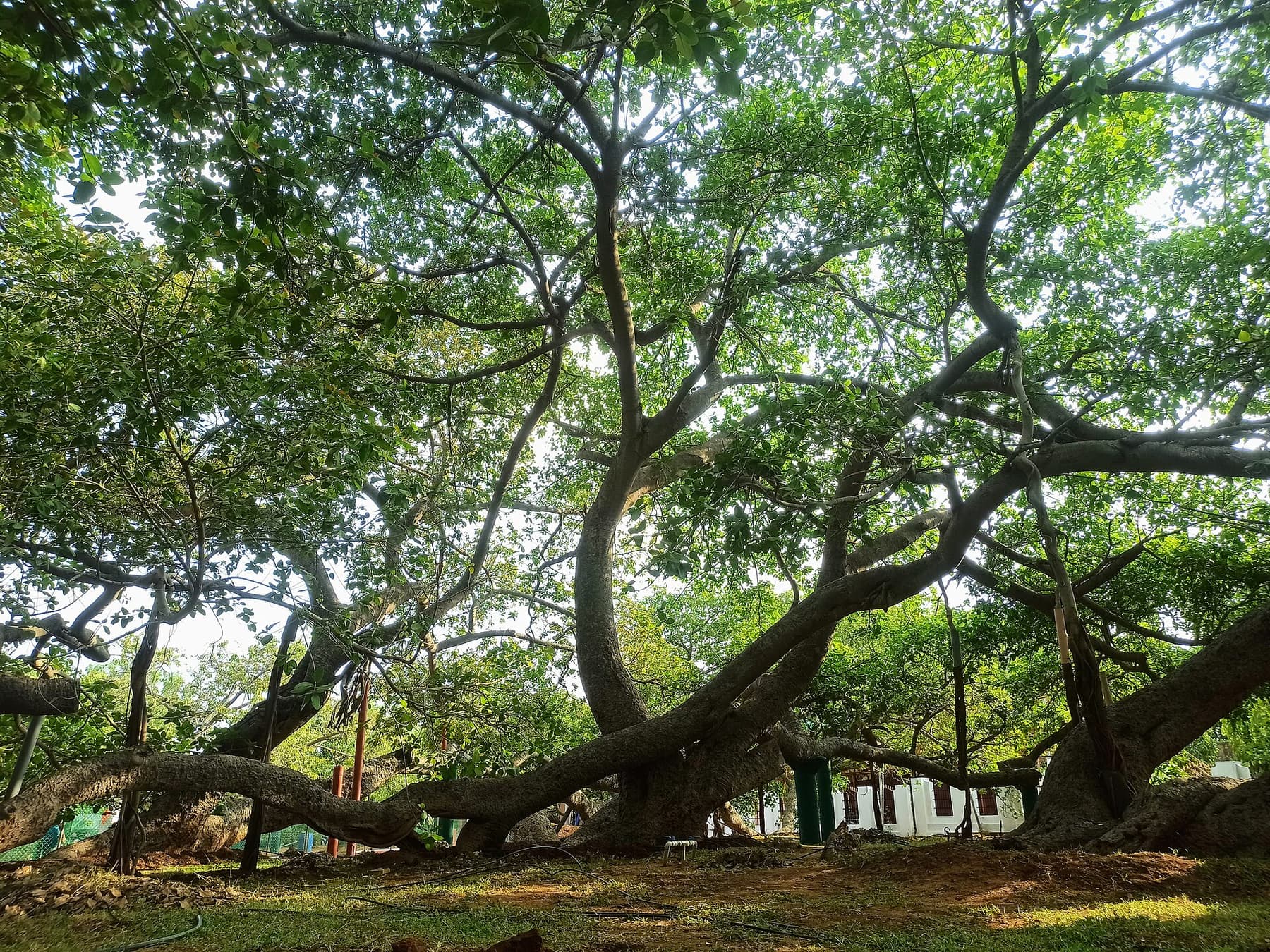
A single large native tree can support a remarkable community: insects on its leaves and bark, birds that feed on those insects and on its fruit, bats that visit its flowers, fungi and soil organisms around its roots, and plants growing on its branches. Fallen leaves and dead wood, where safe to leave in place, feed the soil and shelter beetles, fungi and other decomposers that recycle nutrients.
What threatens biodiversity
Scientific assessments identify five major direct drivers of biodiversity loss worldwide:
- Changes in land and sea use, such as the clearing or fragmentation of natural habitats.
- Direct exploitation of plants and animals, including overharvesting.
- Climate change.
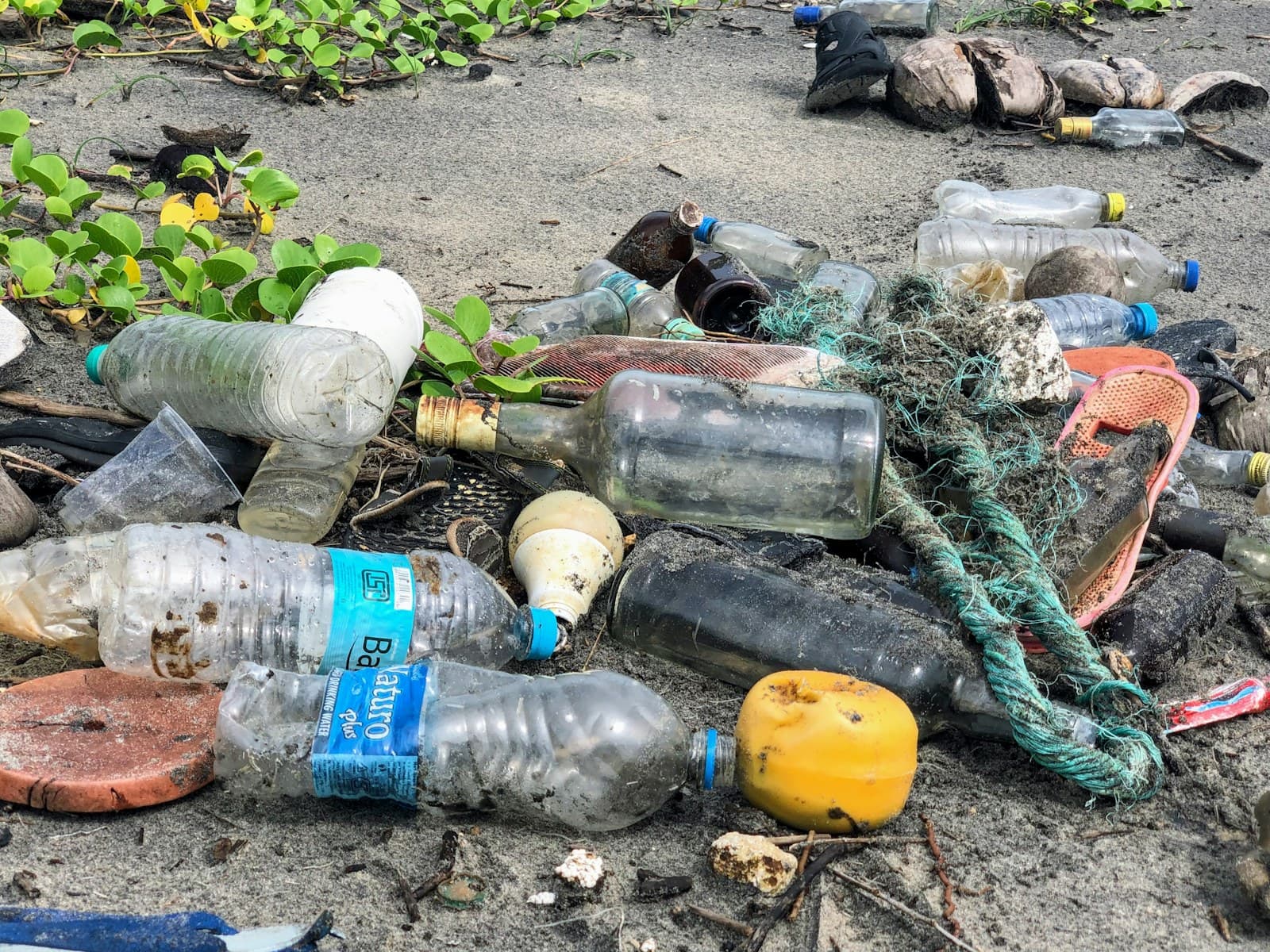
- Pollution of air, water and soil.
- Invasive alien species.
What you can do
- Plant a mix of native trees, shrubs and flowering plants rather than a single species.
- Leave some leaf litter and natural corners in gardens and campuses.
- Reduce the use of chemical pesticides, which also harm pollinators and birds.
- Keep a shallow, clean water bowl for birds during hot, dry months.
- Protect natural habitats such as ponds, grasslands and groves — not only trees.
- Observe and record the wildlife around you; noticing nature is the first step to protecting it.
Key takeaways
- Biodiversity exists at genetic, species and ecosystem levels.
- People depend on biodiversity for food, water, health and resilience.
- India is one of the world's megadiverse countries.
- Native, varied planting and reduced pesticide use help local wildlife.
This guide is general educational information published by Khushalbhai Satem Seva Foundation. It does not describe a specific foundation project, and it is not a substitute for site-specific advice from local experts or authorities. Spotted an error? Let us know.