Adapted to local conditions
Species that are native to a region are adapted to its pattern of rainfall, dry seasons, temperatures and soils. Once established, many native trees need less watering and care than species brought in from very different climates. That makes them a practical choice for community plantations, where long-term care is often the biggest challenge.
They support local wildlife
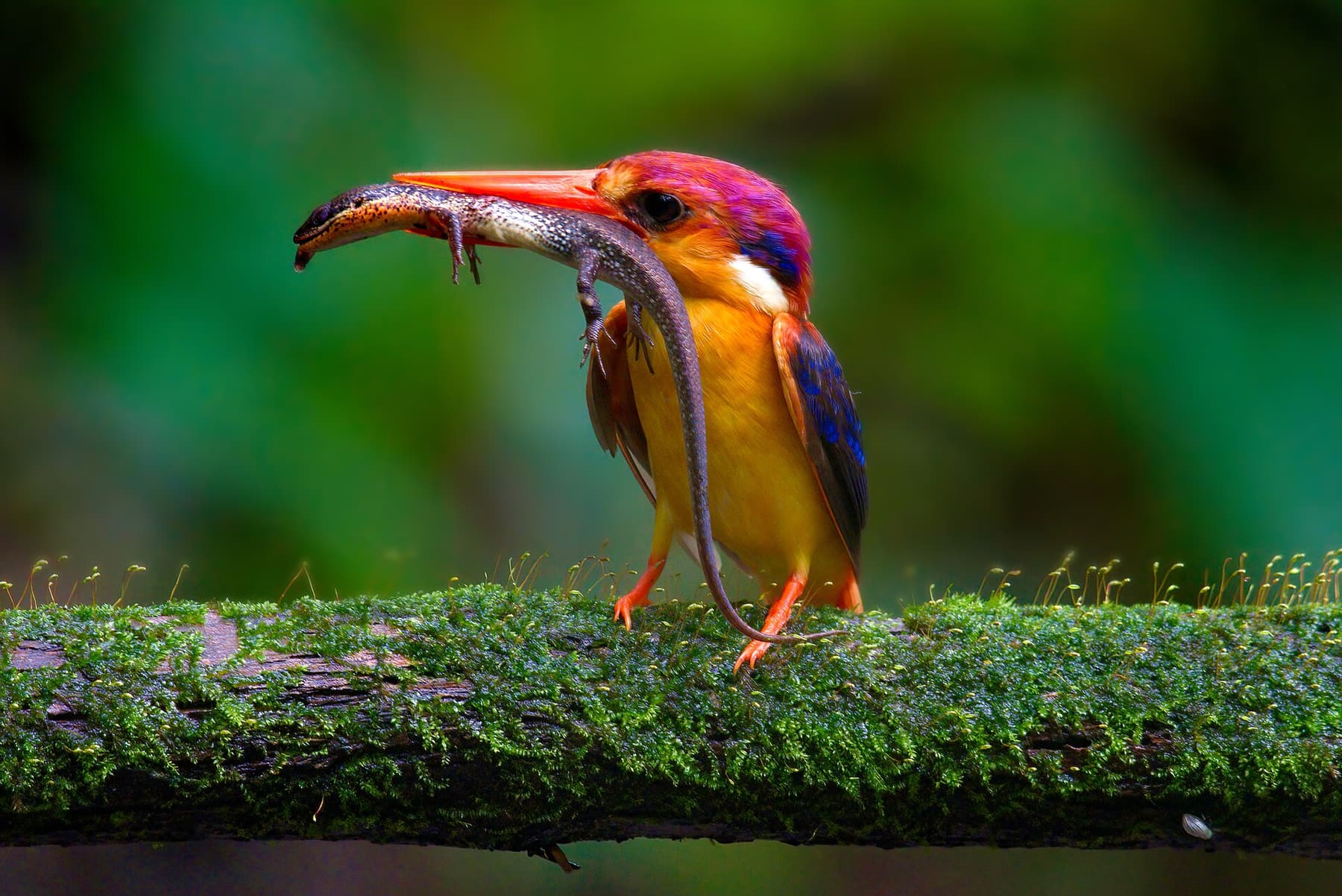
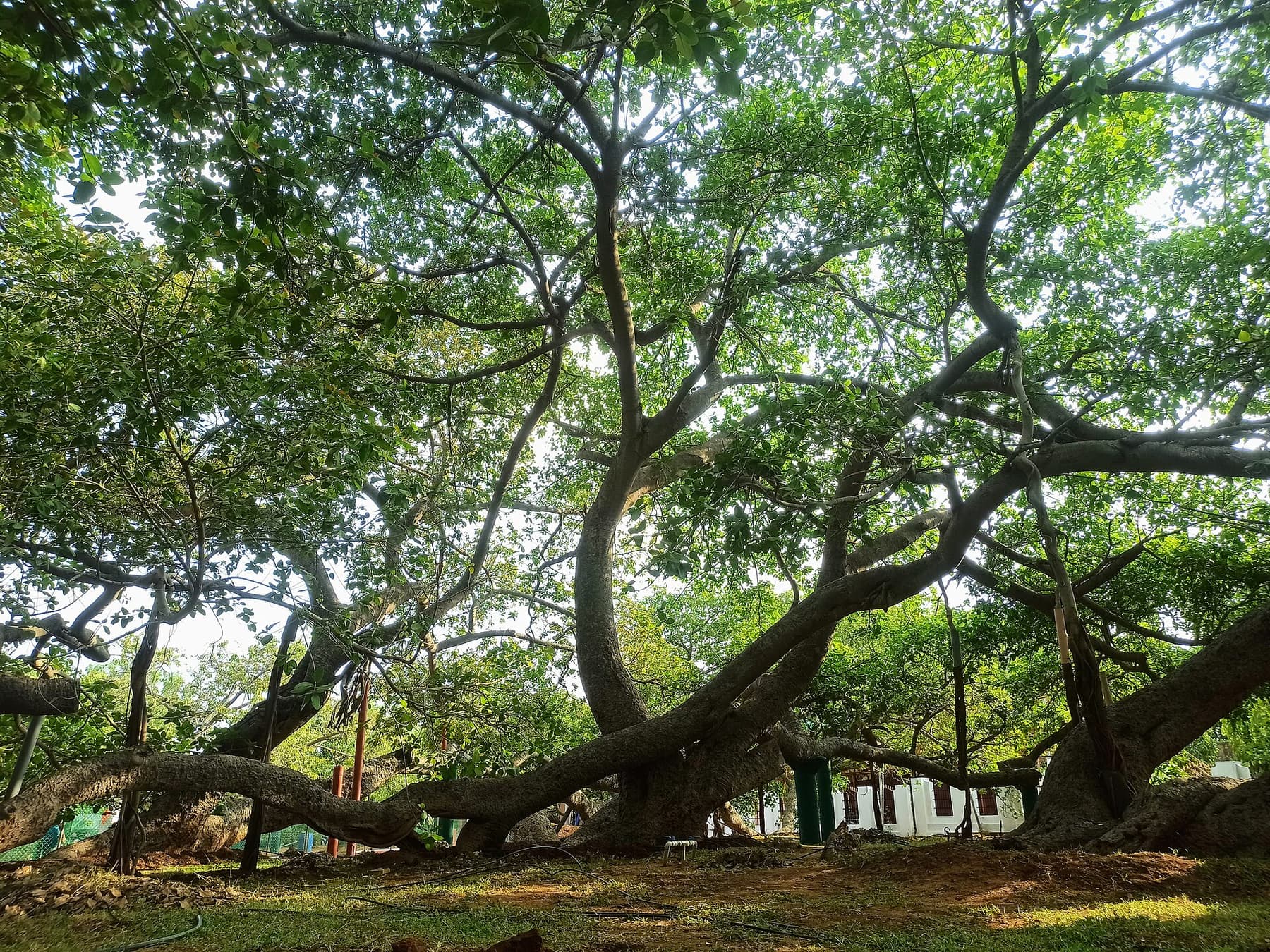
Local birds, bats, insects and other animals have long-standing relationships with native plants. Fig trees such as the banyan and peepal, for example, fruit in large quantities and are visited by many fruit-eating birds and mammals. Fig trees are also pollinated by tiny, specialised fig wasps — a partnership in which each depends on the other.
Native flowering trees provide nectar and pollen for bees, butterflies and birds, and their leaves feed caterpillars that, in turn, feed nesting birds. A plantation of mixed native species can therefore become a living habitat rather than just a row of trees.
Native to where?
India is vast and ecologically diverse. A tree native to the Himalayan foothills may not suit the coastal plains of Gujarat, and a species of dry deciduous forests may struggle in a waterlogged site. Choose species that are native to your local region and to the kind of habitat you are planting in.
| Common name | Scientific name | Notes |
|---|---|---|
| Neem | Azadirachta indica | Hardy, drought-tolerant shade tree with a long history of traditional use |
| Banyan | Ficus benghalensis | Very large spreading tree; needs plenty of space; important food source for birds |
| Peepal | Ficus religiosa | Large, long-lived fig tree; best kept away from walls and foundations |
| Jamun | Syzygium cumini | Fruit tree valued by people, birds and bats |
| Mango | Mangifera indica | Long-lived fruit and shade tree |
| Arjun | Terminalia arjuna | Often found along streams and riverbanks |
| Mahua | Madhuca longifolia | Flowers and seeds are important to many rural and tribal communities |
| Karanj | Pongamia pinnata | Hardy shade tree that tolerates a range of soils |
| Palash | Butea monosperma | Known as 'flame of the forest' for its bright orange flowers |
| Amla | Phyllanthus emblica | Small to medium fruit tree of dry deciduous forests |
A word about invasive species
Some fast-growing species introduced from other parts of the world spread aggressively and crowd out native plants. In parts of western India, Prosopis juliflora (often called gando baval) has spread widely across grasslands and drylands, affecting native vegetation and grazing land. Lantana camara, an ornamental shrub, has become invasive in many Indian forests.
Fast growth alone is not a good reason to plant a species. Check with local forest officials, botanists or experienced nurseries whether a species is native and whether it is known to become invasive in your area.
Think in layers, not just trees
Natural forests have layers: tall canopy trees, smaller trees, shrubs, climbers, grasses and ground cover. Where space allows, planting native shrubs and grasses alongside trees creates more varied habitat and protects the soil better than trees alone.
Key takeaways
- Native trees are adapted to local climate and soils and often need less care once established.
- They support local food webs — from fig wasps to fruit-eating birds.
- 'Native' should mean native to your region and habitat, not just to India.
- Avoid species known to be invasive, however fast they grow.
This guide is general educational information published by Khushalbhai Satem Seva Foundation. It does not describe a specific foundation project, and it is not a substitute for site-specific advice from local experts or authorities. Spotted an error? Let us know.