Genetic diversity
Variation within a species — such as the many traditional varieties of mango or rice — that helps life adapt to disease and change.
Official website of Khushalbhai Satem Seva Foundation · CIN: U80301GJ2013NPL073623
info@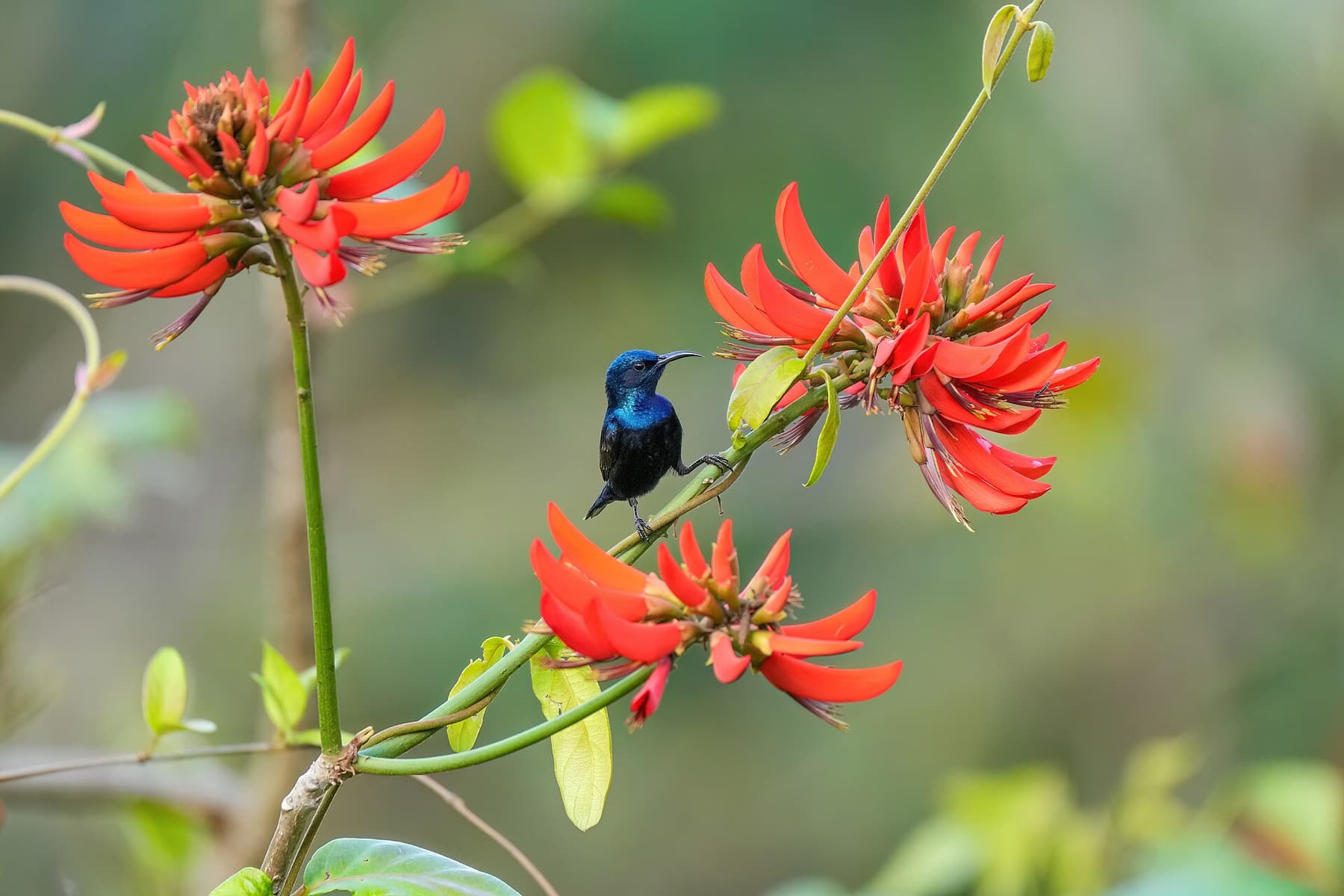
Biodiversity
Biodiversity is the variety of life — and the web of relationships that connects it. Trees sit at the heart of that web, supporting countless other species.
Photo: Giles Laurent, CC BY-SA 4.0, via Wikimedia Commons (resized and cropped)
What it means
Variation within a species — such as the many traditional varieties of mango or rice — that helps life adapt to disease and change.
The variety of plants, animals, fungi and micro-organisms living in a place.
The variety of habitats: forests, grasslands, wetlands, rivers, mangroves, coasts and more.
India's natural heritage
India is recognised as one of the world's megadiverse countries. It includes parts of four global biodiversity hotspots — the Himalaya, the Western Ghats and Sri Lanka, Indo-Burma, and Sundaland (through the Nicobar Islands).
Its ecosystems range from alpine meadows and evergreen forests to deserts, grasslands, wetlands, mangroves and coral reefs. Much of this richness is also found close to home — in village groves, farm boundaries, school campuses, ponds and city parks.
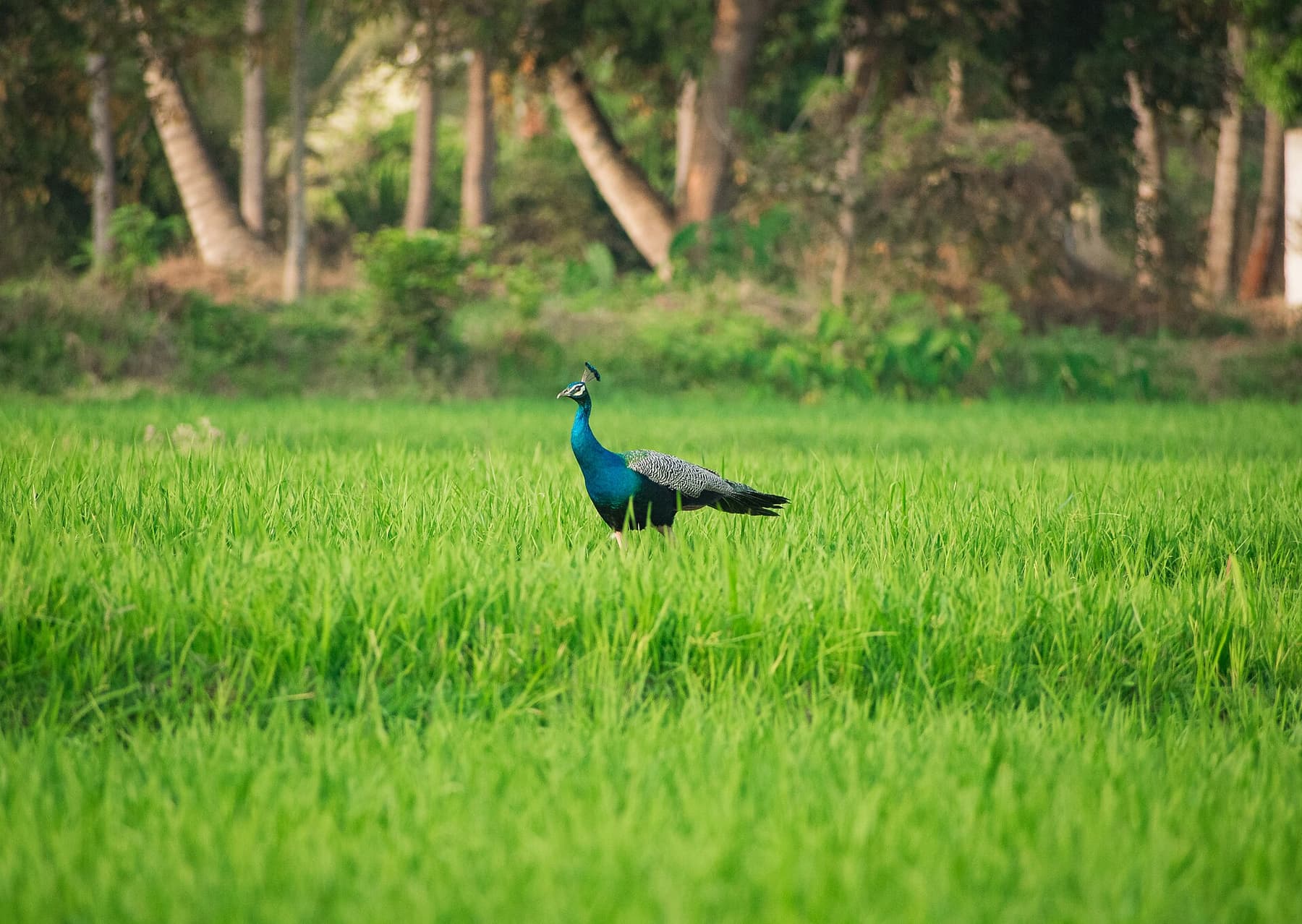
The Indian peafowl, India's national bird, and colourful species such as the Indian roller are familiar in many farmland and semi-open landscapes.
Trees as habitat
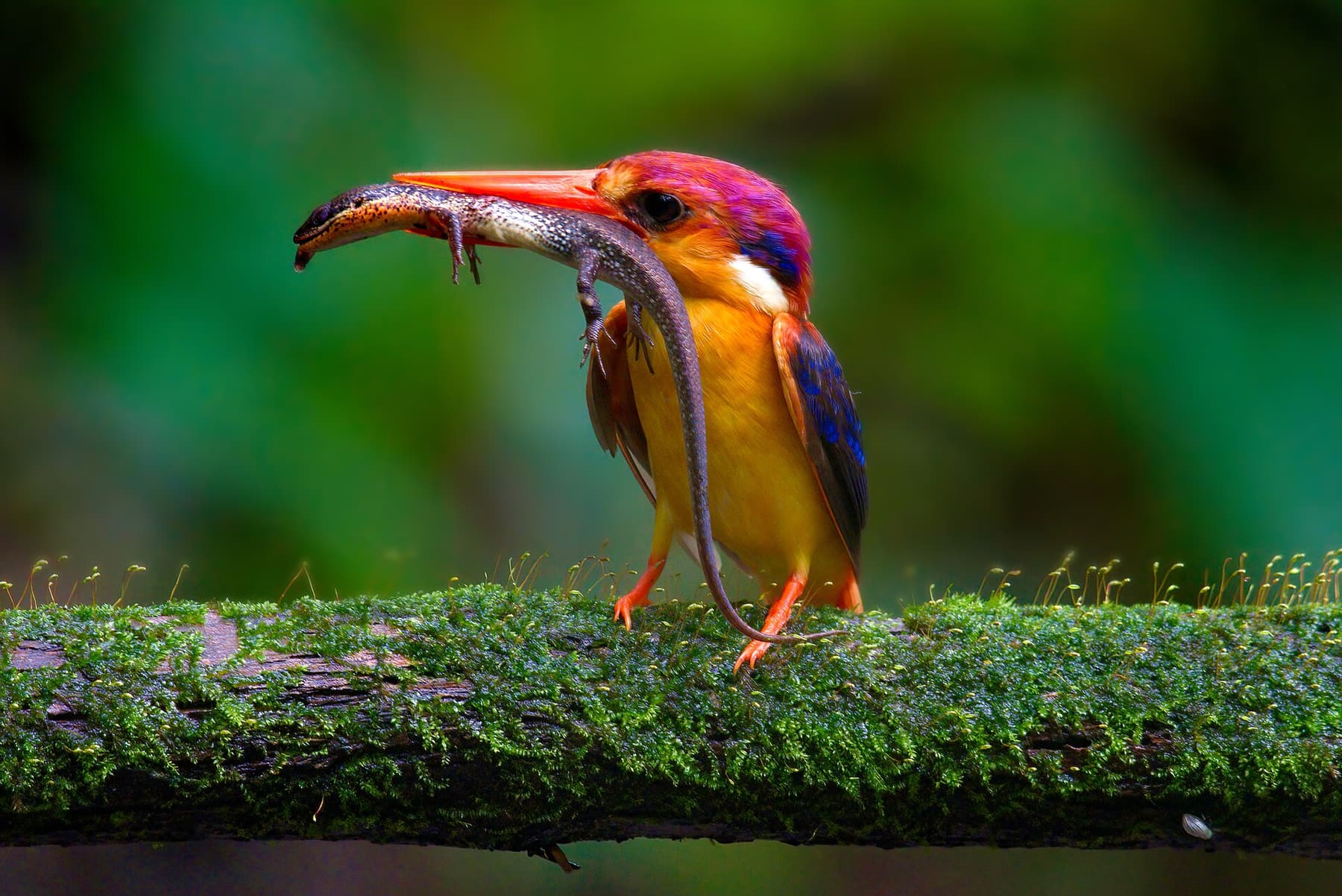
Feed on fruit, nectar and insects; nest in branches and hollows.
Bees, butterflies, beetles and moths depend on leaves, flowers and bark.
Many bats feed on fruit and nectar, helping to disperse seeds and pollinate flowers.
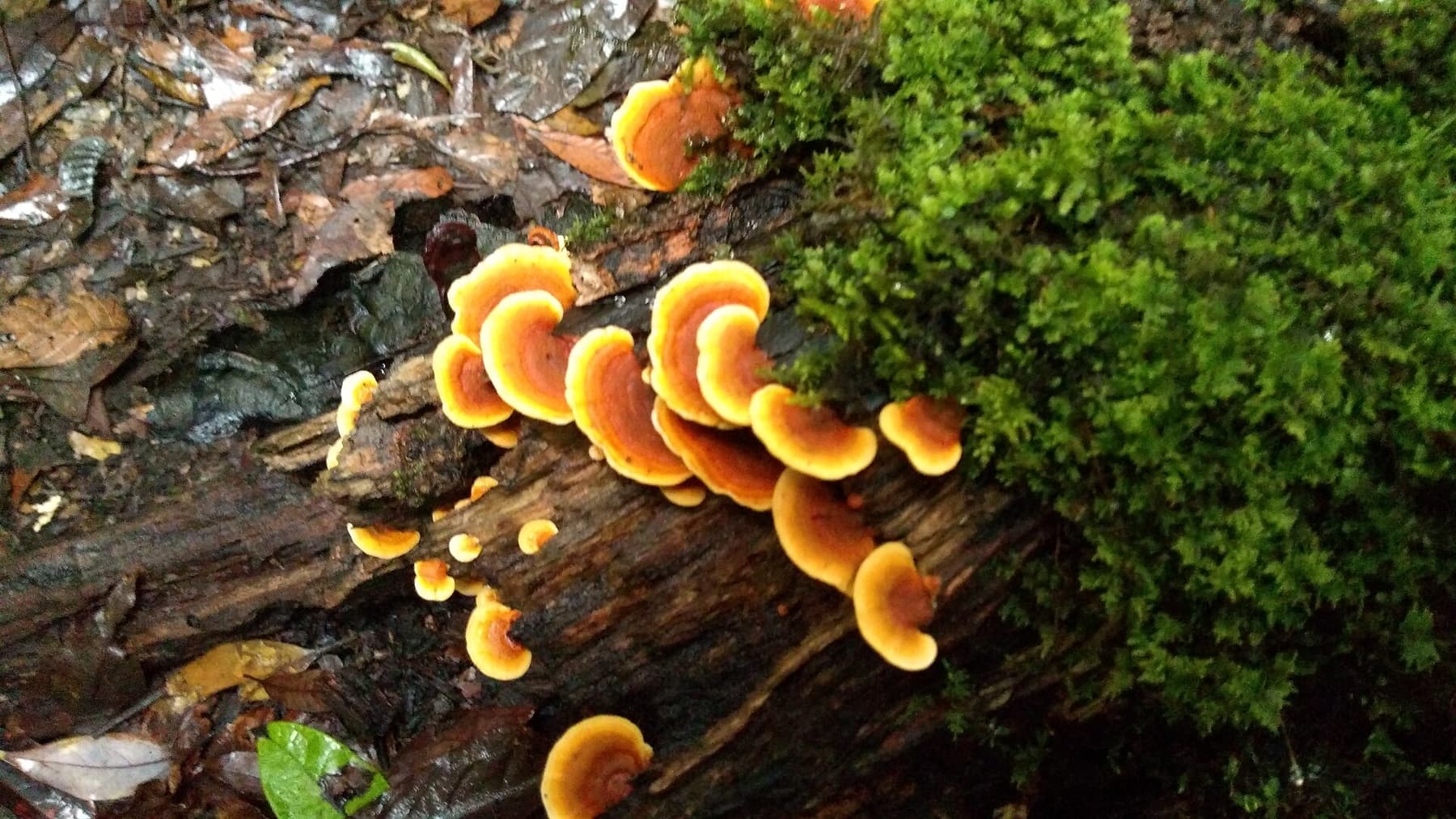
Recycle fallen leaves and dead wood into nutrients for new growth.
Orchids, ferns, mosses and lichens grow on branches and bark.
Roots partner with soil fungi and organisms that keep soil fertile.
Threats
Native vs invasive
Native plants have long-standing relationships with local wildlife, so they usually support far more life than introduced ornamental species.
Some introduced species become invasive, spreading aggressively and crowding out native vegetation. In parts of western India, Prosopis juliflora has spread widely across drylands and grasslands, while the ornamental shrub Lantana camara has invaded many Indian forests.
What you can do
Opportunities for young people to explore nature, observe local biodiversity and volunteer — with guardian consent and supervision for anyone under 18.
Join nature walks, help record local wildlife and support planting that gives birds, insects and other species a home.